
Can Gluten-free Food Reduce Fatigue?
Table of Contents
1. The Impact of Gluten-Free Food on Fatigue
2. Do Gluten-Free Meal Deliveries Support Other Dietary Needs?
3. What Should You Expect from a High-Quality Gluten-Free Meal?
4. What Makes Inspired Go a Smart Option for Gluten-Free Meal Kits?
1. The Impact of Gluten-Free Food on Fatigue
A balanced diet plays a pivotal role in maintaining optimal health and energy levels, and a change in one's dietary habits can significantly affect physical and mental wellbeing. A gluten-free diet, for instance, is a popular choice for many, primarily those diagnosed with celiac disease or non-celiac gluten sensitivity. Gluten, a protein found in wheat, barley, and rye, can cause digestive problems and fatigue among those intolerant to it. Therefore, the adoption of a gluten-free diet in such cases might result in reduced fatigue. Moreover, a gluten-free meal plan can inadvertently lead to healthier food choices, such as increased fruit and vegetable intake, which further contributes to overall health and vitality. However, it's crucial to note that a gluten-free diet doesn't inherently equate to a healthier diet for everyone. For those without gluten-related conditions, removing gluten from their diet may not yield significant benefits, including fatigue reduction. Always consult with a healthcare professional or a dietitian before making significant dietary changes.
Order fresh salads today →

2. Do Gluten-Free Meal Deliveries Support Other Dietary Needs?
A growing number of gluten-free meal delivery services are expanding their offerings to support additional dietary needs. Whether you're also avoiding dairy, managing food sensitivities, or eating plant-based, there's often a gluten-free plan that fits. Many gluten-free meal kits now offer vegan, vegetarian, paleo, or low-carb options, as well as filters for nut-free or low-FODMAP preferences. Curious consumers often ask,“Do gluten-free deliveries offer dairy-free or vegan options too?”—and in most cases, yes. These services are built with flexibility in mind, allowing you to filter by ingredients, swap out meals, or even customize your order weekly. That kind of versatility is a game-changer, especially for families managing multiple dietary restrictions under one roof, or individuals looking for wellness-focused eating that doesn’t compromise on taste.
Choose your salads and schedule delivery →
3. What Should You Expect from a High-Quality Gluten-Free Meal?
When exploring gluten-free meal delivery options, quality is about more than just removing gluten—it’s about creating meals that are well-rounded, satisfying, and safe for sensitive diets. High-quality gluten-free meals often include lean proteins, vibrant vegetables, and naturally gluten-free grains like brown rice or quinoa. You’ll also find wholesome add-ons such as house-made sauces, herbs, or toppings made without common allergens. These meals are often designed by culinary professionals or nutritionists to ensure balance in flavor and nutrition. Some plans highlight global flavors or seasonal ingredients to bring variety without compromising dietary needs. If you're wondering whether gluten-free meal kits can be exciting or filling, the answer is yes—when done right, these meals are both practical and flavorful, helping people stay consistent with gluten-free eating.
Get fresh salads and snacks delivered →
4. What Makes Inspired Go a Smart Option for Gluten-Free Meal Kits?
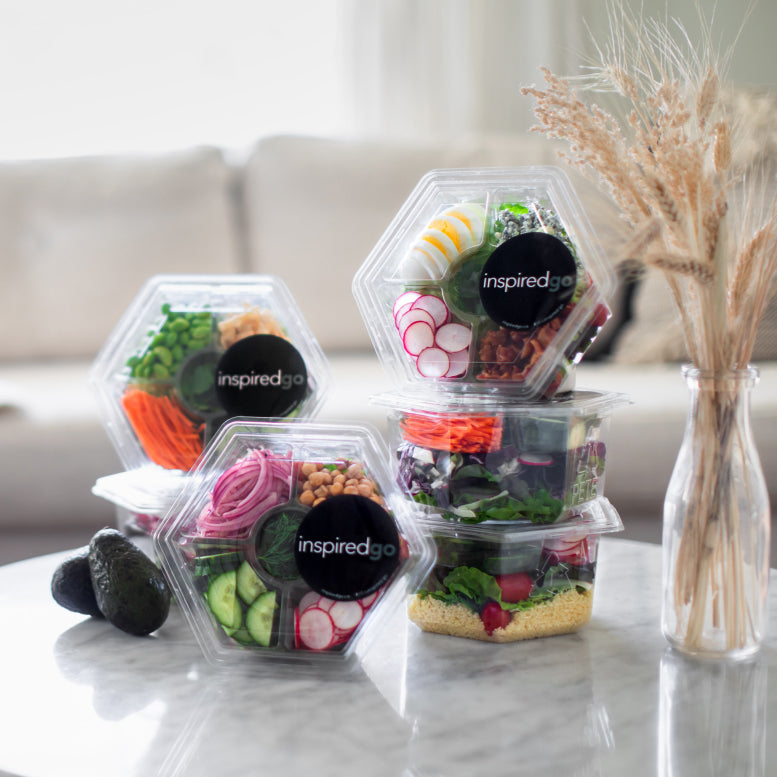
Inspired Go is redefining what a gluten-free meal kit can be by offering curated options that cater to both dietary needs and culinary cravings. Whether you're gluten-free by necessity or by choice, you’ll find meals that combine convenience, nutrition, and fresh ingredients. Their ready-to-eat salads, bowls, and soups are delivered in recyclable containers, and many gluten-free selections are also high in fiber, protein, or plant-based nutrients—making them ideal for people with multiple health goals. With no need for cooking or prep, these kits are ideal for anyone managing a hectic schedule. Inspired Go also highlights key nutritional information and uses greenhouse-grown greens for added sustainability. It’s a smart, low-effort way to stay committed to gluten-free living with zero guesswork.
Try our fresh, ready-to-eat salads →
Frequently Asked Questions
A meal kit is a subscription-based service that delivers pre-portioned ingredients and recipes to your door, making cooking at home more convenient. Meal kits often include fresh produce, proteins, and spices tailored to a specific recipe, allowing users to prepare meals without the hassle of shopping or measuring. They cater to a variety of diets, such as vegetarian, gluten-free, or keto, and are ideal for busy individuals seeking homemade meals.
The best meal prep service depends on your dietary needs, budget, and convenience preferences. Some services focus on health-conscious options with balanced nutrients, while others provide gourmet recipes or family-sized portions. Key factors include menu variety, quality of ingredients, and delivery flexibility. Reading reviews and exploring trial offers can help you find the best fit for your lifestyle and taste preferences.
Meal prep services typically cost between $8 and $15 per serving, depending on the quality of ingredients and portion sizes. Premium services offering organic or specialty items may charge more. Weekly plans often range from $50 to $150 for 2–4 meals per week. While the cost may exceed grocery shopping, the convenience, reduced food waste, and time saved often make it worthwhile for many households.
Meal prep services save time and effort, eliminating the need for shopping, meal planning, and extensive preparation. They offer portion-controlled meals, helping with weight management and reducing food waste. For those with dietary restrictions, meal prep services provide curated options tailored to specific needs like vegan, gluten-free, or keto diets. This convenience supports healthier eating habits without compromising on taste or variety.
To select the right meal prep service, start by evaluating your dietary needs and budget. Consider services with flexible delivery schedules and customizable menus that align with your preferences. Look for transparent ingredient sourcing, especially if you prioritize organic or sustainable options. Reading customer reviews and testing trial plans can also help you identify a service that meets your quality and convenience expectations.