
Are Eggs Healthy For A Diet?
Table of Contents
1. The Nutritional Value of Eggs in a Healthy Diet
2. What Is the Best Diet for a Healthy Lifestyle?
3. How Can a Diet Delivery Service Support Your Goals?
4. How Does Meal Delivery Help You Stick to a Healthy Diet?
1. The Nutritional Value of Eggs in a Healthy Diet
Eggs have long been a subject of dietary debate due to their cholesterol content. However, recent research has refuted the myth that eggs are detrimental to your health due to their cholesterol content. In fact, eggs are a powerhouse of nutrition and can be an excellent addition to a balanced diet. They are rich in high-quality protein, which aids muscle development and keeps you satiated for longer periods. Eggs also contain various essential nutrients like vitamins A, D, E, and B12, along with iron, selenium, and choline. The yolks, specifically, are a source of healthy fats and antioxidants like lutein and zeaxanthin, which support eye health. Consumed in moderation, eggs can contribute to a well-rounded diet, aiding in weight management, brain function, and overall health. However, it's important to keep in mind that preparation methods can impact the nutritional value of eggs. For example, poaching or boiling eggs is healthier than frying them in excessive oil or butter.
Order fresh salads today →

2. What Is the Best Diet for a Healthy Lifestyle?
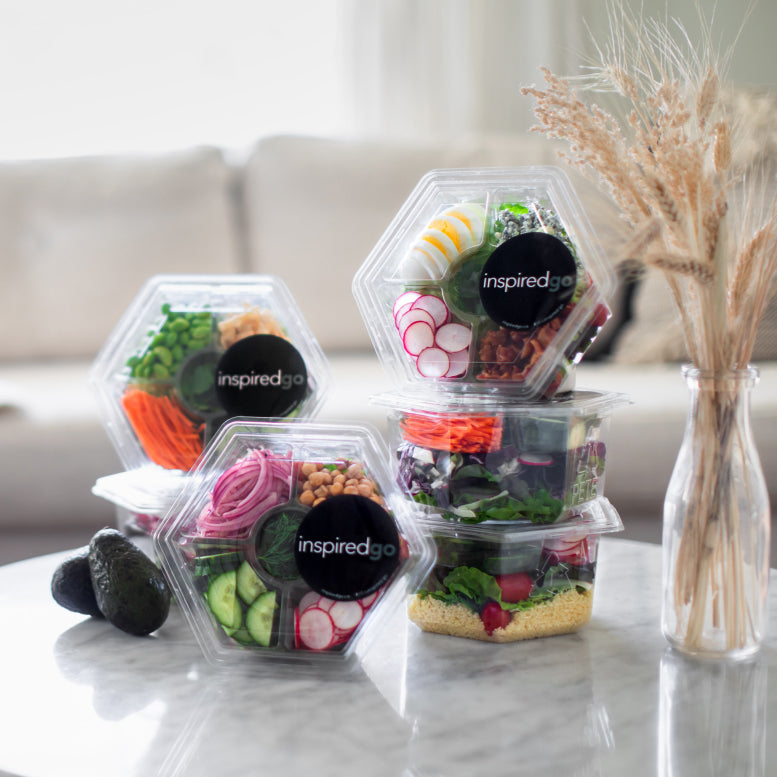
The best diet for a healthy lifestyle prioritizes balance, variety, and consistency, incorporating essential nutrients in every meal. A well-rounded diet includes proteins, whole grains, fruits, vegetables, and healthy fats while minimizing processed foods, added sugars, and artificial ingredients. Diet food delivery services make it easier to maintain this balance by offering pre-designed meal plans tailored to specific health objectives, such as weight management, energy support, or overall wellness. Subscription options ensure regular deliveries, providing consistent access to nutritious meals without last-minute meal planning stress. With transparent nutritional labeling and portion control, diet food delivery services empower individuals to follow a structured, healthy diet effortlessly.
Choose your salads and schedule delivery →
3. How Can a Diet Delivery Service Support Your Goals?
Diet delivery services are designed to help customers achieve their health goals through structure, consistency, and convenience. Whether targeting weight loss, muscle gain, or overall wellness, these services offer tailored meal plans crafted by chefs and nutrition experts. Meals arrive fully prepared, eliminating the need for grocery shopping, cooking, and cleaning. Subscription options provide scheduled deliveries, ensuring continuous access to nutritious meals without disruptions. Nutritional labeling allows customers to track calorie and nutrient intake precisely, aligning with their dietary objectives. By removing the barriers to consistent healthy eating, diet delivery services empower customers to achieve their health goals sustainably and efficiently.
Get fresh salads and snacks delivered →
4. How Does Meal Delivery Help You Stick to a Healthy Diet?
Maintaining a healthy diet is easier when nutritious meals are readily available. One of the biggest obstacles to consistent healthy eating is the effort required to plan, shop, and prepare meals daily. Meal delivery services remove these barriers by offering ready-to-eat, nutritionally balanced meals that align with dietary goals. With access to portion-controlled, high-quality meals, individuals can avoid last-minute unhealthy food choices and stay on track with their health goals. The convenience of regular deliveries ensures that maintaining a balanced diet doesn’t become a struggle, allowing customers to focus on other priorities while still eating well.
Try our fresh, ready-to-eat salads →
Frequently Asked Questions
Eating healthy without cooking is achievable by incorporating ready-to-eat nutritious options into your diet. Pre-prepared salads, fresh fruit, nuts, yogurt, and meal delivery services offering balanced meals are excellent choices. Look for meals high in fiber, protein, and healthy fats while minimizing processed ingredients. This approach ensures you maintain a nutritious diet even with a busy lifestyle or lack of cooking time.
Eating healthy on a budget involves planning meals around affordable, nutrient-dense ingredients. Prioritize staples like whole grains, beans, and seasonal vegetables, which are both inexpensive and nutritious. Opt for meal prep services or delivery plans that offer cost-effective options for healthy eating. Buying in bulk, reducing waste, and preparing meals at home also significantly reduce costs while maintaining balanced nutrition.
A healthy diet is one that emphasizes whole, unprocessed foods like fruits, vegetables, lean proteins, whole grains, and healthy fats. It provides the necessary nutrients for energy, growth, and disease prevention while limiting added sugars, saturated fats, and highly processed foods. A balanced diet supports physical and mental well-being and can be tailored to meet individual nutritional needs.
To eat more healthily, focus on gradually incorporating whole foods into your meals. Start by adding more vegetables to your plate, swapping refined grains for whole grains, and opting for lean protein sources like fish or legumes. Stay hydrated and avoid sugary beverages. Small, consistent changes can lead to long-term improvements in dietary habits without feeling restrictive.
Eating healthy is essential for maintaining overall health and well-being. A balanced diet reduces the risk of chronic diseases such as diabetes, heart disease, and obesity while supporting energy levels, mental clarity, and immune function. Consuming nutrient-dense foods provides your body with the vitamins and minerals it needs to function optimally, contributing to a longer, healthier life.