
What Are Healthy Meals For Weight Loss?
Table of Contents
1. Discovering Healthy, Balanced Meals for Weight Loss
2. How Do You Make Healthy Eating Easy to Stick With?
3. Why Are Low-Cost Healthy Meals a Realistic Option?
4. Why Inspired Go Is Perfect for Your Healthy Eating Goals
1. Discovering Healthy, Balanced Meals for Weight Loss
A weight loss journey doesn't have to mean sacrificing flavor or satisfaction at meal times. Instead, it's about embracing nutrient-dense foods that leave you feeling full and energized. Think vibrant salads and bowls packed with colorful vegetables, lean proteins, and fiber-rich grains. Exploring breakfast items that combine heart-healthy fats, proteins, and complex carbohydrates can kick-start your metabolism and keep you satiated throughout the morning. Snack packs and add-ons offer convenient ways to supplement your daily nutrition without added guilt. For dinner, selecting balanced options that include lean proteins, whole grains, and plenty of vegetables can provide essential nutrients without excess calories. By making these nutritious choices, not only can you promote weight loss, but you can also enjoy the journey, one delicious bite at a time.
Order fresh salads today →

2. How Do You Make Healthy Eating Easy to Stick With?
Healthy eating becomes a lasting habit when it’s accessible, balanced, and flexible. The key is not aiming for perfection but focusing on meals that are satisfying and nutritionally dense, which make it easier to stick with the lifestyle long-term. Instead of overcomplicating things, prioritize vegetables, clean proteins, and healthy fats that naturally help you feel full and energized. When you build your meals around whole ingredients, you’re able to avoid cravings and energy dips, making your routine smoother. It’s also about consistency: eating healthy every day is easier when you focus on simple swaps rather than complete overhauls. By creating meals that fit your lifestyle, healthy eating becomes part of your daily routine, not something you feel forced to do. This approach leads to long-term success because it aligns with your natural habits and makes healthier choices feel effortless.
Choose your salads and schedule delivery →
3. Why Are Low-Cost Healthy Meals a Realistic Option?
Eating healthy on a budget doesn’t require expensive ingredients or gourmet cooking techniques. By focusing on staple, affordable ingredients like beans, lentils, rice, and vegetables, you can build meals that are both cost-effective and nutritious. Making simple swaps such as buying frozen vegetables or bulk grains can stretch your food dollars further. Additionally, planning meals around seasonal produce or pantry staples helps save money while still supporting a balanced diet. Healthy eating on a budget is about making smart choices and choosing nutrient-dense options that provide the most value. With careful planning, nutritious meals can fit any budget, making it easier to stay committed to a healthy eating routine without overspending. When budget and nutrition come together, you can achieve your wellness goals without compromise.
Get fresh salads and snacks delivered →
4. Why Inspired Go Is Perfect for Your Healthy Eating Goals
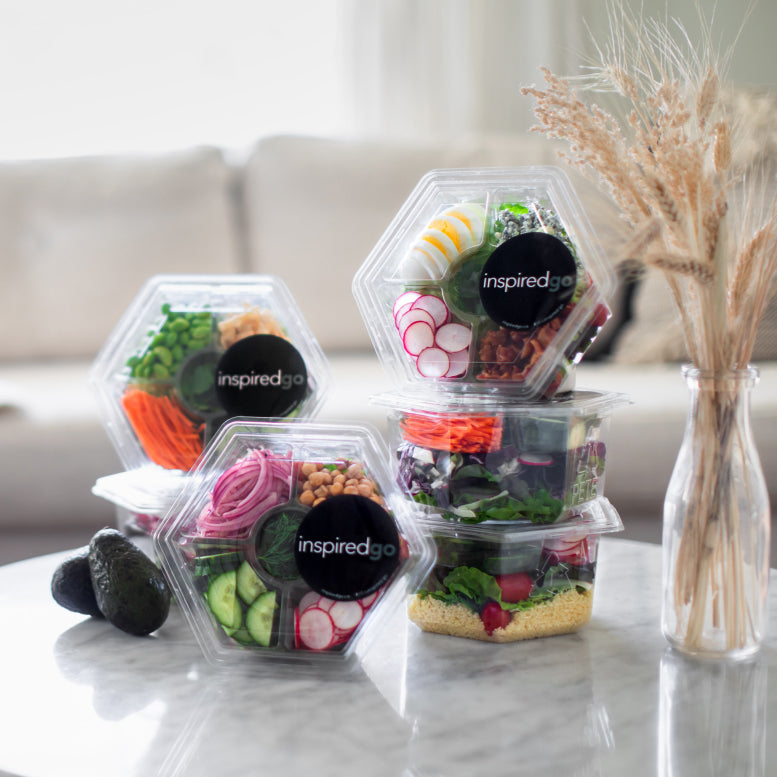
Inspired Go is the perfect choice for anyone looking to make healthy eating an easy part of their lifestyle. We offer fresh, pre-made meals that prioritize nutrient-dense ingredients, so you can enjoy balanced nutrition without spending time shopping, cooking, or cleaning. Whether you’re focused on weight management, energy, or improving overall wellness, our meals provide the fuel you need. With a variety of flavors and meal options, you can stick to your healthy eating goals without feeling restricted. Inspired Go makes it simple to nourish your body and enjoy food that supports your health, every day. We aim to make healthy eating effortless, enjoyable, and sustainable for the long run.
Try our fresh, ready-to-eat salads →
Frequently Asked Questions
Eating healthy without cooking is achievable by incorporating ready-to-eat nutritious options into your diet. Pre-prepared salads, fresh fruit, nuts, yogurt, and meal delivery services offering balanced meals are excellent choices. Look for meals high in fiber, protein, and healthy fats while minimizing processed ingredients. This approach ensures you maintain a nutritious diet even with a busy lifestyle or lack of cooking time.
Eating healthy on a budget involves planning meals around affordable, nutrient-dense ingredients. Prioritize staples like whole grains, beans, and seasonal vegetables, which are both inexpensive and nutritious. Opt for meal prep services or delivery plans that offer cost-effective options for healthy eating. Buying in bulk, reducing waste, and preparing meals at home also significantly reduce costs while maintaining balanced nutrition.
A healthy diet is one that emphasizes whole, unprocessed foods like fruits, vegetables, lean proteins, whole grains, and healthy fats. It provides the necessary nutrients for energy, growth, and disease prevention while limiting added sugars, saturated fats, and highly processed foods. A balanced diet supports physical and mental well-being and can be tailored to meet individual nutritional needs.
To eat more healthily, focus on gradually incorporating whole foods into your meals. Start by adding more vegetables to your plate, swapping refined grains for whole grains, and opting for lean protein sources like fish or legumes. Stay hydrated and avoid sugary beverages. Small, consistent changes can lead to long-term improvements in dietary habits without feeling restrictive.
Eating healthy is essential for maintaining overall health and well-being. A balanced diet reduces the risk of chronic diseases such as diabetes, heart disease, and obesity while supporting energy levels, mental clarity, and immune function. Consuming nutrient-dense foods provides your body with the vitamins and minerals it needs to function optimally, contributing to a longer, healthier life.