
Vegan Food Delivery Service For Offices
Table of Contents
1. Vegan Food Delivery Service For Offices
2. Sustainable Eating Made Simple with Vegan Food Delivery
3. Sustainable Nutrition Through Vegan Food Delivery
4. Inspired Go: Redefining Convenience in Plant-Based Eating
1. Vegan Food Delivery Service For Offices
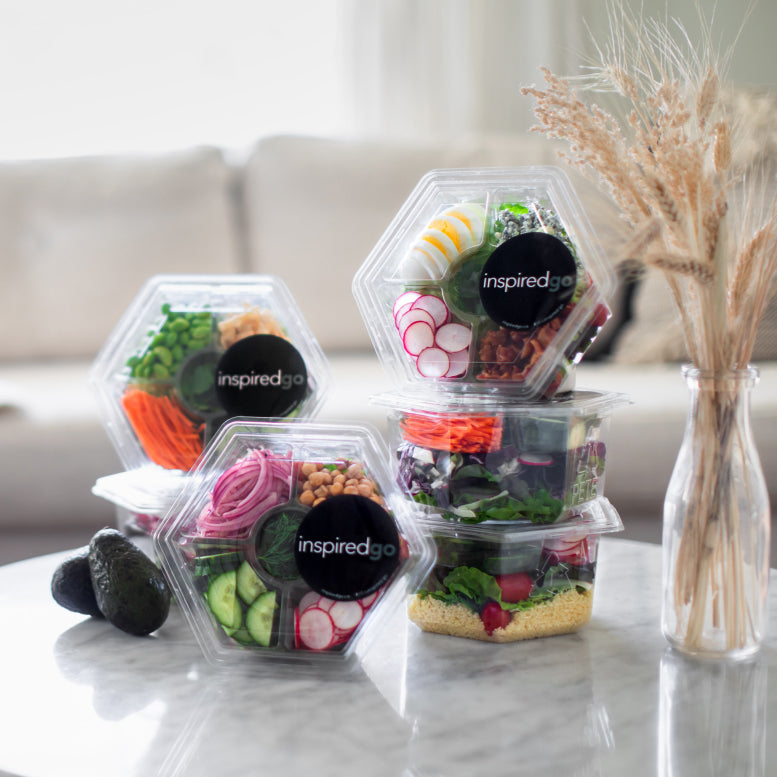
Imagine a world where maintaining a healthy, balanced diet at work is made effortless, thanks to a convenient vegan food delivery service catered specifically for offices. This innovative approach to workplace nutrition can transform your daily routine by offering fresh, ready-to-eat meals at your fingertips. With chef-inspired recipes made from locally sourced ingredients, you are empowered to enjoy balanced nutrition without any hassle. The service comes with the added benefit of reducing food waste, as all meals are portion-controlled and prepared to order. What’s more, each meal is packed in 100% recyclable packaging, underlining a strong commitment to environmental sustainability. With a vegan food delivery service for offices, you can enjoy nutritious, delicious meals, save precious time, and contribute to a more sustainable world.
Order fresh salads today →

2. Sustainable Eating Made Simple with Vegan Food Delivery
Vegan food delivery services are more than just convenient—they are a sustainable way to incorporate eco-friendly eating habits into daily life. By focusing on plant-based meals, these services contribute to reduced environmental impact while delivering balanced nutrition. Meals crafted with organic, locally sourced ingredients highlight the importance of sustainability and quality, ensuring every bite is as nutritious as it is flavorful. With options tailored for weight loss, muscle building, or general wellness, these services provide a variety of choices that align with diverse dietary goals. Delivery eliminates food waste by offering pre-portioned meals, making vegan eating more efficient and accessible. Whether you prefer raw vegan dishes, gourmet creations, or simple, wholesome meals, vegan food delivery bridges the gap between convenience and sustainability.
Choose your salads and schedule delivery →
3. Sustainable Nutrition Through Vegan Food Delivery
Adopting a plant-based diet through vegan food delivery services promotes not only personal health but also environmental sustainability. Meals crafted with fresh, plant-based ingredients reduce the environmental impact of food production by minimizing reliance on animal agriculture. This approach helps conserve water, lower carbon emissions, and support biodiversity. Vegan meal delivery services take this commitment further by offering pre-portioned meals that reduce food waste and encourage mindful consumption. By integrating plant-based eating into their routine, individuals contribute to a more sustainable food system while enjoying the benefits of nutrient-dense, delicious meals. This blend of sustainability and health makes vegan food delivery a choice that aligns with both personal wellness and global responsibility.
Get fresh salads and snacks delivered →
4. Inspired Go: Redefining Convenience in Plant-Based Eating
With Inspired Go, maintaining a plant-based diet has never been easier, thanks to thoughtfully crafted meals designed for flavor, nutrition, and ease of access. Each meal combines the best of convenience and nutrition, featuring fresh vegetables, plant-based proteins, and wholesome grains that align with your dietary preferences seamlessly. Whether you’re new to vegan living or looking for ways to sustain a plant-based lifestyle long-term, Inspired Go ensures access to meals that are as satisfying as they are nourishing, helping you maintain balance in every bite. Perfect for busy schedules or individuals seeking healthy options, Inspired Go delivers delicious meals that fit seamlessly into your day, helping you stay consistent with your goals while enjoying the many benefits of plant-based eating. Empower your lifestyle with Inspired Go and experience the ease of nutritious eating every day while savoring the goodness of mindful food choices.
Try our fresh, ready-to-eat salads →
Frequently Asked Questions
The key difference between vegan and vegetarian diets lies in the exclusion of animal products. Vegetarians avoid meat, poultry, and fish but may consume animal-derived products like eggs, dairy, or honey. Vegans, on the other hand, exclude all animal products, focusing solely on plant-based foods. Veganism is often a lifestyle choice, avoiding animal products in all forms, including clothing and cosmetics.
A vegan diet consists entirely of plant-based foods, including fruits, vegetables, grains, nuts, seeds, and legumes. It excludes all animal-derived products, such as meat, fish, dairy, and eggs. This diet emphasizes nutrient-dense, whole foods, though processed vegan alternatives are available. A vegan diet, when well-balanced, supports good health and environmental sustainability, making it popular for ethical, health, and ecological reasons.
Not all vegan diets are gluten-free. While veganism excludes animal products, gluten is a protein found in wheat, barley, and rye, which are plant-based and commonly included in vegan meals. To maintain a vegan and gluten-free diet, focus on naturally gluten-free foods like fruits, vegetables, rice, quinoa, and gluten-free grains. Always check labels for hidden gluten in processed vegan foods.
On a vegan diet, you can enjoy a wide variety of plant-based foods, including fruits, vegetables, legumes, nuts, seeds, whole grains, and plant-based dairy alternatives. Popular vegan dishes include stir-fries, salads, grain bowls, soups, and curries. Incorporating fortified foods or supplements ensures you meet nutrient needs like B12, iron, and omega-3s, making the diet balanced and enjoyable.
A vegan diet can be very healthy when balanced and diverse. It’s rich in fiber, vitamins, and antioxidants, while being lower in saturated fat and cholesterol. These factors contribute to better heart health, weight management, and reduced risk of chronic diseases. However, careful planning is essential to ensure adequate intake of nutrients like vitamin B12, iron, and protein for overall health.