
Low Calorie Vegetarian Meal Delivery
Table of Contents
1. The Advantage of Low Calorie Vegetarian Meal Delivery
2. High Fiber, Low Calorie Meals for Sustained Energy
3. Why Calorie-Aware Meals Make Mindful Eating Easier
4. Keep Meals Light and Delicious with Inspired Go Delivery
1. The Advantage of Low Calorie Vegetarian Meal Delivery
Choosing a vegetarian diet is an excellent step towards a healthier lifestyle, but it can often be challenging to maintain. With the convenience of a low calorie vegetarian meal delivery service, maintaining a balanced diet becomes a whole lot easier. These services not only provide you with an array of fresh, chef-inspired recipes, but also ensure that your meals are packed with nutrient-rich ingredients to meet your dietary needs. These ready-to-eat meals are designed to be both satisfying and wholesome, promoting balanced nutrition without the added hassle of meal prep and cooking. Moreover, such meal delivery services are a great way to save time, reduce food waste, and support sustainability with recyclable packaging. With the flexibility to customize your meal deliveries, you can ensure that you're always looking forward to your next meal.
Order fresh salads today →

2. High Fiber, Low Calorie Meals for Sustained Energy
Combining high fiber intake with a low calorie meal plan helps regulate appetite, improve digestion, and keep energy stable throughout the day. These meals are crafted with plant-based ingredients like chickpeas, lentils, nuts, and leafy greens that naturally promote fullness and fuel the body with slow-digesting carbohydrates. High-fiber meals help stabilize blood sugar and minimize energy crashes, making them ideal for anyone managing long days, demanding schedules, or fitness routines. They’re also more satisfying than typical low calorie snacks, allowing you to feel nourished without the need for heavy or high-fat meals. Regularly incorporating this style of eating supports both digestive health and healthy weight management. With consistent access to fiber-rich meals, it becomes easier to avoid mid-day slumps and stick to a nutrient-dense routine.
Choose your salads and schedule delivery →
3. Why Calorie-Aware Meals Make Mindful Eating Easier
Mindful eating starts with awareness—and when meals are pre-portioned, thoughtfully prepared, and nutritionally transparent, it becomes much easier to make good choices consistently. Many low calorie meals delivered to your door include clear ingredient breakdowns, allowing you to connect what you eat with how you feel throughout the day. This awareness helps reinforce better habits, especially when meals are rich in fibre, hydration, and slow-burning plant-based proteins that promote satisfaction. Instead of focusing on restrictions or counting every bite, you begin to tune into hunger cues, energy shifts, and emotional triggers. With each delivery reinforcing positive patterns, it becomes easier to build a sustainable routine rooted in nutrition, not deprivation. This process promotes a more intuitive relationship with food, reducing binge tendencies and emotional eating over time.
Get fresh salads and snacks delivered →
4. Keep Meals Light and Delicious with Inspired Go Delivery
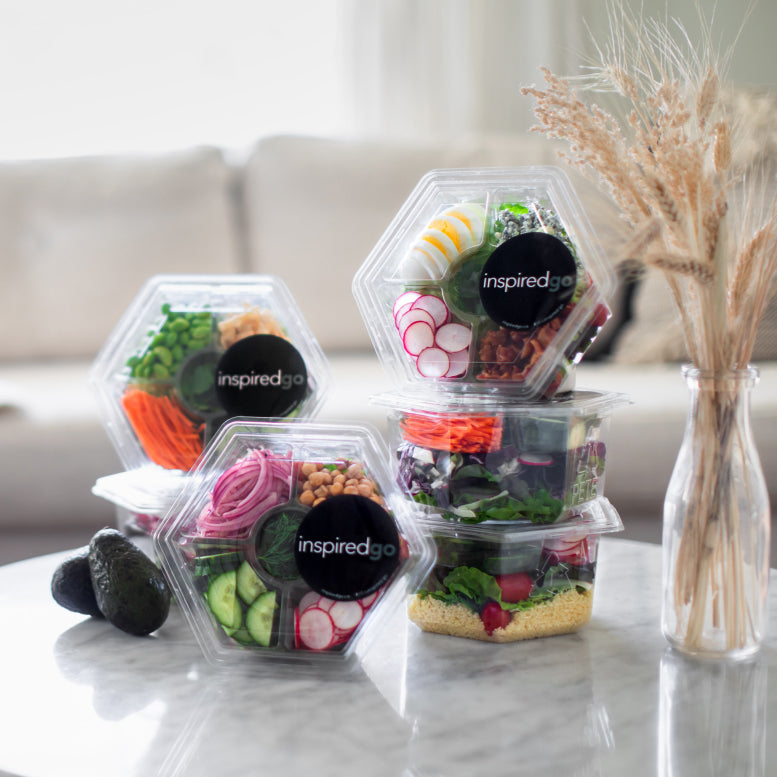
Inspired Go takes the guesswork out of calorie control with chef-crafted meals that are low in calories but high in satisfaction. Our salads feature thoughtfully sourced ingredients like legumes, nuts, grains, and seasonal vegetables, all combined to deliver nutrition you can feel good about. Whether you’re watching your macros, working toward a wellness milestone, or simply want to eat cleaner, our delivery service keeps your fridge stocked with fresh, ready-to-enjoy options. Every salad is made with quality, freshness, and simplicity in mind—so you can focus on your day, not your diet. With Inspired Go, eating healthy becomes an easy part of your daily rhythm, not a daunting chore. Delicious, calorie-smart meals are just a delivery away—bringing variety and convenience to your weekly routine without the need for prep.
Try our fresh, ready-to-eat salads →
Frequently Asked Questions
A vegetarian diet focuses on plant-based foods, eliminating meat, poultry, and fish while including fruits, vegetables, grains, legumes, nuts, and seeds. Depending on the type of vegetarianism, it may also include animal-derived products like dairy and eggs. Popular variations include lacto-ovo vegetarian (includes eggs and dairy) and lacto-vegetarian (excludes eggs but includes dairy). The diet is often chosen for ethical, environmental, or health reasons and supports a nutrient-dense lifestyle when properly balanced.
Vegetarian foods include a wide variety of plant-based options like fruits, vegetables, whole grains, legumes, nuts, and seeds. Dairy products such as milk, cheese, and yogurt, as well as eggs, are included in lacto-ovo vegetarian diets. Vegetarian-friendly dishes range from hearty grain bowls and vegetable curries to pasta, soups, and salads. Many processed foods, such as chips or baked goods, can also be vegetarian, though reading labels is key to avoiding hidden animal-based ingredients.
Yes, many vegetarians eat eggs, depending on their dietary preference. Those following a lacto-ovo vegetarian diet include both eggs and dairy products, while lacto-vegetarians exclude eggs but consume dairy. Eggs are an excellent source of protein, vitamins, and minerals, making them a valuable addition to a vegetarian diet. However, vegans avoid eggs entirely, as their diet excludes all animal-derived products, including dairy and honey.
Vegetarians can meet their protein needs by incorporating a variety of plant-based and animal-free sources. Protein-rich options include legumes (lentils, chickpeas, black beans), tofu, tempeh, nuts, seeds, and whole grains like quinoa. For those who consume dairy and eggs, options like Greek yogurt, cheese, and eggs provide additional high-quality protein. Combining different plant proteins, such as rice and beans, ensures a complete amino acid profile, supporting muscle repair and overall health.
Yes, eggs and cheese are allowed on a lacto-ovo vegetarian diet, which includes both dairy products and eggs alongside plant-based foods. These ingredients are excellent sources of protein, calcium, and other essential nutrients. Lacto-vegetarians exclude eggs but include cheese and other dairy products. Vegans, however, do not consume eggs, cheese, or any other animal-derived products, focusing solely on plant-based foods and alternatives.