
How To Get Enough Protein In Vegan Salads?
Table of Contents
1. Boosting Protein Content in Vegan Salads
2. What Are the Nutritional Benefits of Vegan Salads?
3. Do Vegan Salads Provide Enough Energy for Busy Days?
4. How Does Inspired Go Support Vegan Based Diets?
1. Boosting Protein Content in Vegan Salads
Getting enough protein in vegan salads can often be a challenge, especially for those who are new to plant-based diets. However, there are several ways to increase the protein content of your salads without compromising on taste or nutritional value. One strategy is to include a variety of protein-rich vegetables like edamame, peas, and spinach. These not only provide protein but also offer a wide range of vitamins and minerals. Another method is to add plant-based protein sources like tofu, tempeh, or seitan which can be marinated, grilled, or sautéed to fit your salad theme. You can also incorporate grains like quinoa or farro, which are high in protein and fiber, and can make your salad more filling. Beans, lentils, and chickpeas are other great options, they're not only protein-packed but also add texture and heartiness to any salad. Sprinkling seeds and nuts, such as chia seeds, hemp seeds, almonds, or walnuts, can provide a protein boost and a crunchy element. By combining these ingredients, you can create delicious and nutritious vegan salads that are high in protein and loaded with healthful nutrients.
Order fresh salads today →

2. What Are the Nutritional Benefits of Vegan Salads?
Vegan salads offer a wide range of health benefits, making them a staple for anyone looking to improve or maintain their wellness. Packed with antioxidants from colorful vegetables and leafy greens, they help protect cells from oxidative damage that contributes to aging and disease. Their high fiber content supports digestion, gut health, and healthy cholesterol levels, while plant-based proteins aid in muscle repair and sustained energy production. Healthy fats from avocado, nuts, and seeds promote brain function and heart health, creating a nutrient profile that rivals many traditional meals. Regular consumption of vegan salads can help improve hydration due to their high water content, support weight management naturally, and increase the variety of phytonutrients in your diet. They are a simple yet effective way to deliver concentrated nutrition in every bite, fueling both body and mind.
Choose your salads and schedule delivery →
3. Do Vegan Salads Provide Enough Energy for Busy Days?
Vegan salads, when built with a balanced mix of macronutrients, can offer steady, long-lasting energy to fuel even the most demanding schedules. Fresh vegetables deliver essential vitamins and minerals, while complex carbs from whole grains or legumes release energy gradually, avoiding the highs and crashes caused by refined carbs. Plant-based proteins like lentils, tofu, or beans support physical stamina and muscle recovery, making them ideal for active lifestyles. Healthy fats from avocado or olive oil aid in brain function, improving focus and concentration throughout the day. Adding nuts, seeds, or even roasted chickpeas to your salad can enhance satiety and help maintain energy levels without relying on heavy, processed foods. With thoughtful ingredient combinations, vegan salads provide the fuel you need to stay sharp and energized for hours.
Get fresh salads and snacks delivered →
4. How Does Inspired Go Support Vegan Based Diets?
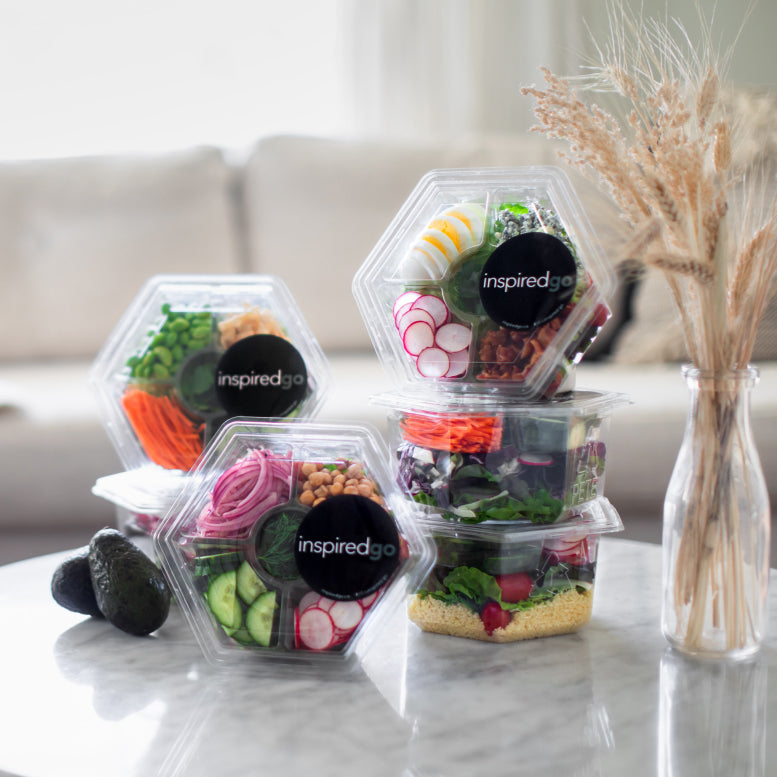
One of the biggest challenges of eating vegan consistently is keeping meals both balanced and exciting over time. Inspired Go takes care of this by offering a rotating menu of vegan salads that deliver variety, flavor, and complete nutrition without effort on your part. Each salad is prepared fresh daily with premium plant-based ingredients, thoughtfully combined to keep you full, energized, and satisfied. By removing the time-consuming steps of meal prep and giving you access to convenient, high-quality vegan options, Inspired Go helps turn healthy eating into an easy, repeatable habit. Our service is designed to support your lifestyle and goals long-term, making plant-based living a simple, sustainable choice that you can enjoy every single day without the stress of planning, shopping, or cooking.
Try our fresh, ready-to-eat salads →
Frequently Asked Questions
The most nutritious salad greens are dark leafy varieties like spinach, kale, and arugula. These greens are packed with essential vitamins, including A, C, and K, as well as minerals like calcium and iron. Kale is particularly rich in antioxidants, while spinach offers significant amounts of folate and magnesium. Choosing a mix of dark greens enhances both the flavor and nutritional value of your salad.
A healthy salad includes a balance of nutrient-dense ingredients like leafy greens, fresh vegetables, lean proteins, and healthy fats. For example, a base of spinach and kale, paired with grilled chicken, cherry tomatoes, avocado, and a light olive oil dressing, creates a wholesome meal. Avoid fried toppings or sugary dressings, as they add empty calories, and opt for natural ingredients to maximize nutrition.
Yes, eating salad daily is a healthy habit when it includes a variety of fresh, nutrient-rich ingredients. Salads offer fiber for digestion, antioxidants for immunity, and essential nutrients like potassium and folate. Regularly eating salads can support weight management and improve energy levels. To avoid monotony, vary your greens, proteins, and toppings to keep meals satisfying and nutritionally balanced.
Healthy salad dressings are typically made with simple, natural ingredients. Olive oil-based dressings, paired with balsamic vinegar or fresh lemon juice, provide healthy fats and enhance flavor without unnecessary calories. Avoid store-bought dressings with high sugar or preservatives. For a creamy alternative, opt for homemade dressings using Greek yogurt or avocado for added nutritional benefits.
Yes, salads are incredibly beneficial for overall health when prepared with fresh, whole ingredients. They are low in calories and high in vitamins, minerals, and antioxidants, supporting heart health, digestion, and immunity. Adding a mix of proteins and healthy fats creates a satisfying, nutrient-dense meal. Regularly incorporating salads into your diet can promote long-term well-being and energy.