
Do Low Calorie Meals Help Lose Weight?
Table of Contents
1. The Power of Low-Calorie Meals in Weight Management
2. How Many Calories Should a Meal Have on a Low-Calorie Plan?
3. How Do Delivery Services Keep Low-Calorie Meals Fresh?
4. Why Choose Inspired Go for Low-Calorie Meal Delivery?
1. The Power of Low-Calorie Meals in Weight Management
A common question among those aiming for a healthier lifestyle revolves around the role of low-calorie meals in weight loss. It's widely known that consuming fewer calories than your body burns each day can contribute to a reduction in overall body weight. Low-calorie meals offer a practical way to achieve this deficit without compromising on essential nutrients. These meals are often rich in fruits, vegetables, lean proteins, and whole grains that are not only low in calories but also packed with vitamins, minerals, and fiber. By opting for low-calorie meals, individuals can feel full and nourished without overconsuming calories. Furthermore, these meals can be tailored to cater to various dietary needs and preferences, offering a flexible solution for maintaining a balanced diet. It's important to note that while low-calorie meals can aid weight loss, incorporating regular physical activity and overall healthy lifestyle habits play a critical role in sustainable weight management.
Order fresh salads today →

2. How Many Calories Should a Meal Have on a Low-Calorie Plan?
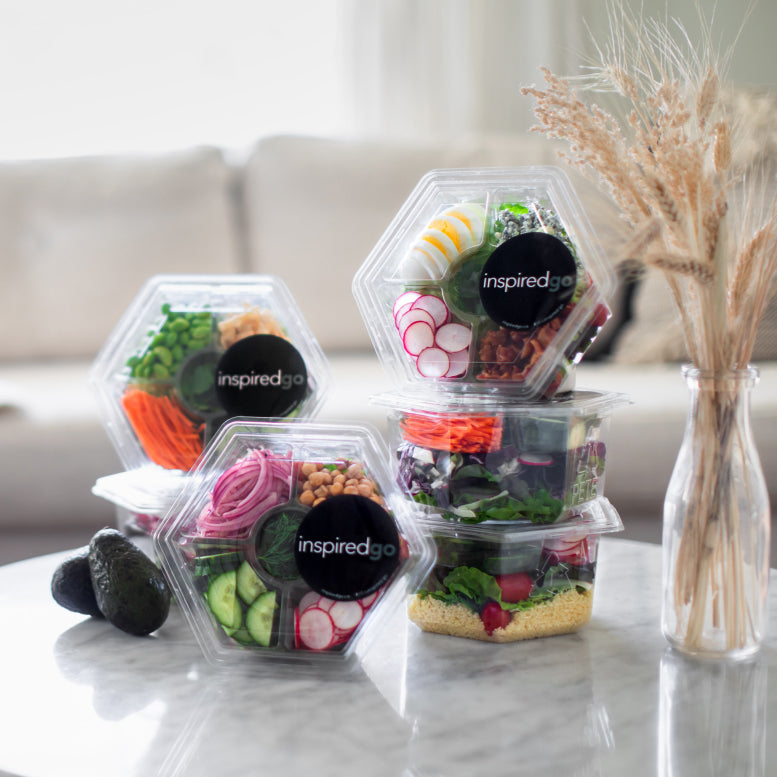
The ideal calorie count for a low-calorie meal depends on individual needs such as activity level, age, gender, and weight management goals. Generally, low-calorie meal plans provide meals ranging between 300 to 500 calories, with salads often being the most effective option due to their nutrient density and natural portion control. These salads combine crisp greens, lean proteins like grilled chicken or chickpeas, and light dressings that deliver flavor without unnecessary calories. Properly designed meals focus on nutrient density rather than strict calorie cutting, ensuring your body gets the fuel it needs to function well. Meal delivery services simplify this by offering pre-calculated salad portions with clear nutritional labeling, removing the need for manual tracking or guesswork. This structure prevents under-eating or nutrient deficiencies that can result from poorly managed calorie restriction.
Choose your salads and schedule delivery →
3. How Do Delivery Services Keep Low-Calorie Meals Fresh?
Freshness is key to both taste and nutrition, and salad delivery services prioritize it from sourcing to packaging. Ingredients are selected for their quality and are often locally sourced to ensure minimal time from farm to kitchen. Salads are prepared in controlled environments, washed, and chopped just before being packed to lock in flavor and nutrients. Temperature-controlled packaging keeps greens crisp, proteins tender, and dressings fresh until you’re ready to eat. This process avoids the need for preservatives while ensuring food safety during transit. Detailed labeling with “best by” dates and storage instructions makes it easy for customers to enjoy salads at their peak. With these measures in place, every low-calorie meal arrives as fresh and vibrant as if it were made just moments before delivery.
Get fresh salads and snacks delivered →
4. Why Choose Inspired Go for Low-Calorie Meal Delivery?
Inspired Go makes it simple to enjoy low-calorie meals by offering a variety of fresh, chef-crafted salads designed for balance and flavor. Each salad is carefully portioned to deliver nutrient-dense ingredients without unnecessary calories, making healthy eating effortless. With high-quality proteins, crisp greens, and light dressings, our salads leave you full and energized while supporting weight management goals. Clear nutritional labeling on every dish allows you to track intake confidently. Delivered fresh and ready-to-eat, our salads save you time by removing the need for planning, shopping, or cooking. With Inspired Go, maintaining a low-calorie diet feels satisfying and sustainable, never restrictive.
Try our fresh, ready-to-eat salads →
Frequently Asked Questions
A meal kit is a subscription-based service that delivers pre-portioned ingredients and recipes to your door, making cooking at home more convenient. Meal kits often include fresh produce, proteins, and spices tailored to a specific recipe, allowing users to prepare meals without the hassle of shopping or measuring. They cater to a variety of diets, such as vegetarian, gluten-free, or keto, and are ideal for busy individuals seeking homemade meals.
The best meal prep service depends on your dietary needs, budget, and convenience preferences. Some services focus on health-conscious options with balanced nutrients, while others provide gourmet recipes or family-sized portions. Key factors include menu variety, quality of ingredients, and delivery flexibility. Reading reviews and exploring trial offers can help you find the best fit for your lifestyle and taste preferences.
Meal prep services typically cost between $8 and $15 per serving, depending on the quality of ingredients and portion sizes. Premium services offering organic or specialty items may charge more. Weekly plans often range from $50 to $150 for 2–4 meals per week. While the cost may exceed grocery shopping, the convenience, reduced food waste, and time saved often make it worthwhile for many households.
Meal prep services save time and effort, eliminating the need for shopping, meal planning, and extensive preparation. They offer portion-controlled meals, helping with weight management and reducing food waste. For those with dietary restrictions, meal prep services provide curated options tailored to specific needs like vegan, gluten-free, or keto diets. This convenience supports healthier eating habits without compromising on taste or variety.
To select the right meal prep service, start by evaluating your dietary needs and budget. Consider services with flexible delivery schedules and customizable menus that align with your preferences. Look for transparent ingredient sourcing, especially if you prioritize organic or sustainable options. Reading customer reviews and testing trial plans can also help you identify a service that meets your quality and convenience expectations.