
Do Low Calorie Meal Deliveries Include Vegetarian Options?
Table of Contents
1. Vegetarian Options in Low-Calorie Meal Deliveries
2. How Many Calories Should a Meal Have on a Low-Calorie Plan?
3. How Are Low-Calorie Meals Prepared for Delivery?
4. How Can Inspired Go Support Your Health Goals?
1. Vegetarian Options in Low-Calorie Meal Deliveries
To further enhance the meal experience, these services often provide comprehensive nutritional information for each dish. This transparency allows individuals to make informed decisions about their food intake, aligning with their dietary goals. Moreover, the convenience of having these meals delivered straight to your door eliminates the time and effort spent on meal planning and preparation, making healthy eating more accessible and enjoyable.
Order fresh salads today →

2. How Many Calories Should a Meal Have on a Low-Calorie Plan?
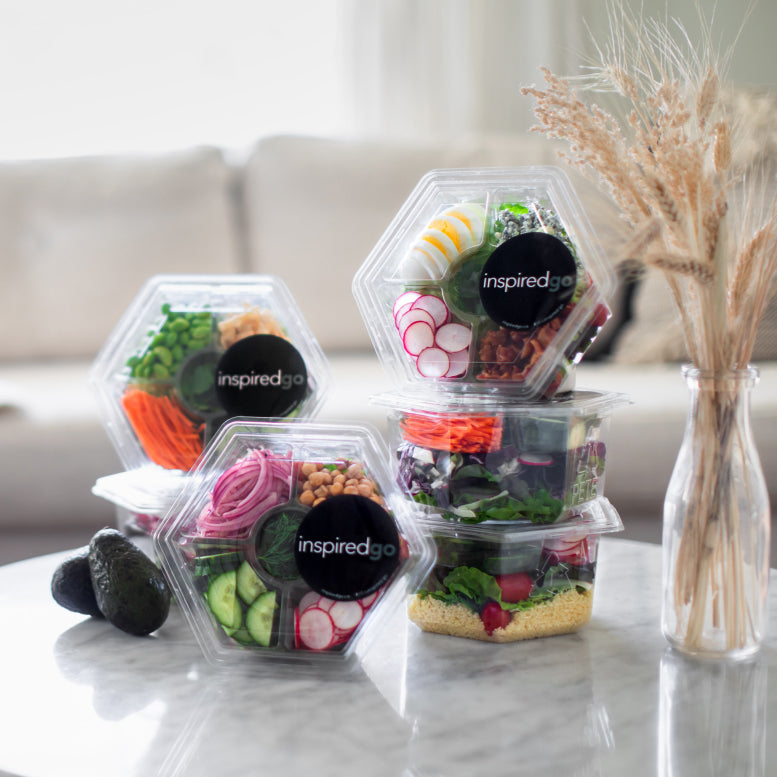
The ideal calorie count for a low-calorie meal depends on individual needs such as activity level, age, gender, and weight management goals. Generally, low-calorie meal plans provide meals ranging between 300 to 500 calories, with salads often being the most effective option due to their nutrient density and natural portion control. These salads combine crisp greens, lean proteins like grilled chicken or chickpeas, and light dressings that deliver flavor without unnecessary calories. Properly designed meals focus on nutrient density rather than strict calorie cutting, ensuring your body gets the fuel it needs to function well. Meal delivery services simplify this by offering pre-calculated salad portions with clear nutritional labeling, removing the need for manual tracking or guesswork. This structure prevents under-eating or nutrient deficiencies that can result from poorly managed calorie restriction.
Choose your salads and schedule delivery →
3. How Are Low-Calorie Meals Prepared for Delivery?
Low-calorie meals are crafted with careful ingredient selection and portion control to ensure they meet specific dietary goals without sacrificing flavor. Many low-calorie options center around fresh salads, packed with crisp greens, vegetables, lean proteins, and whole grains to provide satisfying texture and nutrition. Chefs and dietitians collaborate to design dishes using natural flavors while minimizing added sugars and unhealthy fats. Salads are pre-portioned in controlled kitchen environments to maintain accuracy and consistency in nutrition. They are then sealed in temperature-controlled packaging to retain freshness during delivery and refrigeration. Nutritional information is provided with each meal, giving customers transparency about calorie counts and macronutrient breakdowns. This thoughtful preparation ensures you receive convenient, flavorful salads that align with low-calorie targets.
Get fresh salads and snacks delivered →
4. How Can Inspired Go Support Your Health Goals?
Achieving health and weight goals becomes easier when your meals are convenient and nutritious. Inspired Go specializes in fresh, low-calorie salads that provide balanced nutrition without the effort of planning or prepping. Our salads feature nutrient-rich greens, lean proteins, and flavorful toppings that deliver long-lasting energy in fewer calories. With pre-portioned servings and clear nutritional transparency, you can stay on track without second-guessing your choices. Our rotating menu offers variety to keep your diet exciting while maintaining calorie goals. Delivered fresh and ready-to-eat, Inspired Go takes the hassle out of healthy eating, making it simple to maintain long-term wellness and enjoy every bite. It’s healthy eating that fits effortlessly into your routine—no cooking, no planning, just fresh, chef-crafted meals that help you stay consistent and feel your best.
Try our fresh, ready-to-eat salads →
Frequently Asked Questions
A vegetarian diet focuses on plant-based foods, eliminating meat, poultry, and fish while including fruits, vegetables, grains, legumes, nuts, and seeds. Depending on the type of vegetarianism, it may also include animal-derived products like dairy and eggs. Popular variations include lacto-ovo vegetarian (includes eggs and dairy) and lacto-vegetarian (excludes eggs but includes dairy). The diet is often chosen for ethical, environmental, or health reasons and supports a nutrient-dense lifestyle when properly balanced.
Vegetarian foods include a wide variety of plant-based options like fruits, vegetables, whole grains, legumes, nuts, and seeds. Dairy products such as milk, cheese, and yogurt, as well as eggs, are included in lacto-ovo vegetarian diets. Vegetarian-friendly dishes range from hearty grain bowls and vegetable curries to pasta, soups, and salads. Many processed foods, such as chips or baked goods, can also be vegetarian, though reading labels is key to avoiding hidden animal-based ingredients.
Yes, many vegetarians eat eggs, depending on their dietary preference. Those following a lacto-ovo vegetarian diet include both eggs and dairy products, while lacto-vegetarians exclude eggs but consume dairy. Eggs are an excellent source of protein, vitamins, and minerals, making them a valuable addition to a vegetarian diet. However, vegans avoid eggs entirely, as their diet excludes all animal-derived products, including dairy and honey.
Vegetarians can meet their protein needs by incorporating a variety of plant-based and animal-free sources. Protein-rich options include legumes (lentils, chickpeas, black beans), tofu, tempeh, nuts, seeds, and whole grains like quinoa. For those who consume dairy and eggs, options like Greek yogurt, cheese, and eggs provide additional high-quality protein. Combining different plant proteins, such as rice and beans, ensures a complete amino acid profile, supporting muscle repair and overall health.
Yes, eggs and cheese are allowed on a lacto-ovo vegetarian diet, which includes both dairy products and eggs alongside plant-based foods. These ingredients are excellent sources of protein, calcium, and other essential nutrients. Lacto-vegetarians exclude eggs but include cheese and other dairy products. Vegans, however, do not consume eggs, cheese, or any other animal-derived products, focusing solely on plant-based foods and alternatives.