
Can You Eat Salads On A Keto Diet
Table of Contents
1. Embracing Keto-Friendly Salads for a Balanced Diet
2. How Many Carbs Are in a Typical Keto Salad?
3. How Do Keto Salads Support A Healthy Diet?
4. Why Choose Inspired Go for Keto Salad Delivery?
1. Embracing Keto-Friendly Salads for a Balanced Diet
While embarking on a ketogenic diet, one might wonder about the inclusion of salads, given their high fiber and low carb profile. The good news is, salads can indeed be part of a keto-friendly diet, with a few considerations. It's essential to choose nutrient-dense, low-carb vegetables as the base, such as spinach or romaine lettuce. Adding high-quality fats like avocados or olives, and a moderate amount of protein like grilled chicken or hard-boiled eggs can ensure the meal aligns with a ketogenic diet's macronutrient ratios. Further, the choice of dressing plays a pivotal role. Opting for dressings that are low in carbs and free from added sugars is a wise choice. With these guidelines, salads can serve as a refreshing, wholesome, and keto-compliant meal option. They offer a unique blend of nutrients, helping you stay within your daily carb limit while also meeting your fiber, protein, and fat needs.
Order fresh salads today →

2. How Many Carbs Are in a Typical Keto Salad?
The carbohydrate content of a keto salad varies depending on ingredients and portion size, but most are designed to stay under 10–15 grams of net carbs per serving. A salad built on leafy greens with proteins like chicken, paired with high-fat toppings like avocado, nuts, and cheese, typically contains minimal carbohydrates. Choosing low-carb dressings, such as vinaigrettes made with olive oil or sugar-free creamy blends, helps keep the meal keto-compliant. Pre-portioned keto salads from delivery services make it easy to stay within carb limits without constant tracking or weighing of ingredients. Nutritional labels provide transparency, giving you confidence that your salad supports your ketogenic goals. This makes keto salads a convenient, satisfying choice for anyone seeking to manage carbs while enjoying fresh, flavorful meals.
Choose your salads and schedule delivery →
3. How Do Keto Salads Support A Healthy Diet?
Ketosis is a metabolic state where your body burns fat instead of carbohydrates for energy, and keto salads are designed to make achieving this state easier. These salads provide a balance of low-carb vegetables and healthy fats to keep net carb intake low while supplying the body with the nutrients it needs. Ingredients like spinach, arugula, avocado, olive oil, and cheese give the body fat-based fuel, which supports consistent energy levels and fat-burning. The high fiber content of leafy greens aids digestion and reduces cravings, helping maintain the dietary discipline needed for ketosis. By replacing high-carb meal options with keto-friendly salads, you create a sustainable way to enjoy flavorful, nutrient-rich meals while staying aligned with ketogenic principles. Regular inclusion of these salads supports long-term metabolic adaptation to fat-burning.
Get fresh salads and snacks delivered →
4. Why Choose Inspired Go for Keto Salad Delivery?
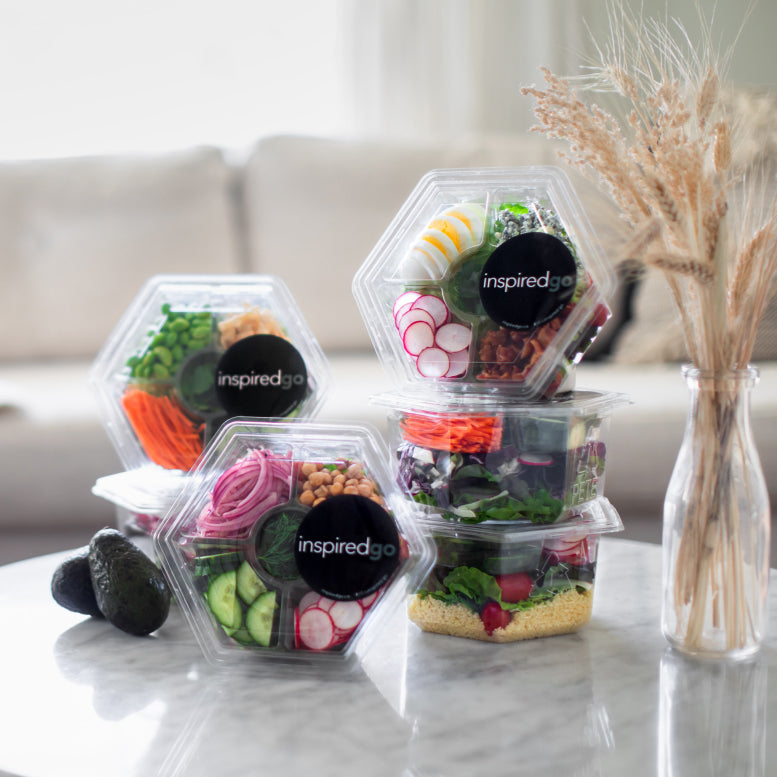
Inspired Go makes following a keto lifestyle simple and enjoyable with fresh, ready-to-eat salads designed to keep carbs low and flavor high. Each keto salad is crafted with crisp greens, high-quality proteins, creamy healthy fats, and sugar-free dressings that align with ketogenic principles. With pre-portioned meals and transparent nutritional labeling, you can track carbs and calories confidently. Delivered fresh to your home or office, our keto salads remove the need for meal prep, grocery runs, or carb counting, making it effortless to maintain ketosis while enjoying a satisfying, chef-crafted meal. With Inspired Go, you can stay consistent on your keto journey while enjoying a variety of delicious, nutrient-rich salads that never feel like a compromise.
Try our fresh, ready-to-eat salads →
Frequently Asked Questions
The most nutritious salad greens are dark leafy varieties like spinach, kale, and arugula. These greens are packed with essential vitamins, including A, C, and K, as well as minerals like calcium and iron. Kale is particularly rich in antioxidants, while spinach offers significant amounts of folate and magnesium. Choosing a mix of dark greens enhances both the flavor and nutritional value of your salad.
A healthy salad includes a balance of nutrient-dense ingredients like leafy greens, fresh vegetables, lean proteins, and healthy fats. For example, a base of spinach and kale, paired with grilled chicken, cherry tomatoes, avocado, and a light olive oil dressing, creates a wholesome meal. Avoid fried toppings or sugary dressings, as they add empty calories, and opt for natural ingredients to maximize nutrition.
Yes, eating salad daily is a healthy habit when it includes a variety of fresh, nutrient-rich ingredients. Salads offer fiber for digestion, antioxidants for immunity, and essential nutrients like potassium and folate. Regularly eating salads can support weight management and improve energy levels. To avoid monotony, vary your greens, proteins, and toppings to keep meals satisfying and nutritionally balanced.
Healthy salad dressings are typically made with simple, natural ingredients. Olive oil-based dressings, paired with balsamic vinegar or fresh lemon juice, provide healthy fats and enhance flavor without unnecessary calories. Avoid store-bought dressings with high sugar or preservatives. For a creamy alternative, opt for homemade dressings using Greek yogurt or avocado for added nutritional benefits.
Yes, salads are incredibly beneficial for overall health when prepared with fresh, whole ingredients. They are low in calories and high in vitamins, minerals, and antioxidants, supporting heart health, digestion, and immunity. Adding a mix of proteins and healthy fats creates a satisfying, nutrient-dense meal. Regularly incorporating salads into your diet can promote long-term well-being and energy.