
Are Vegetarian Meal Deliveries Healthy?
Table of Contents
1. Unpacking the Health Benefits of Vegetarian Meal Deliveries
2. How Do You Get Enough Protein on a Vegetarian Diet?
3. How Does a Vegetarian Diet Support Heart Health?
4. Why Are Pre-Portioned Vegetarian Meals Beneficial?
1. Unpacking the Health Benefits of Vegetarian Meal Deliveries
The rise in popularity of vegetarian meal deliveries is not simply a trend. It's a testament to the growing realization about the numerous health benefits associated with plant-based diets. Vegetarian meal deliveries provide an abundance of nutrients derived from a wide array of fruits, vegetables, grains, and legumes. These meals are often low in saturated fats and high in fiber, contributing to improved heart health and better digestion. Moreover, the convenience of having ready-to-eat meals delivered directly to your door eliminates the stress of meal planning and preparation, making healthy eating more accessible and enjoyable. Furthermore, such services often provide an array of meals inspired by different cuisines, introducing customers to diverse flavors and ingredients they may not usually incorporate in their diets. This can also help in expanding one's palate and ensuring a varied, balanced diet. Lastly, many meal delivery services are committed to sustainability, reducing food waste by providing perfectly portioned meals and utilizing recyclable packaging.
Order fresh salads today →

2. How Do You Get Enough Protein on a Vegetarian Diet?
Ensuring sufficient protein intake on a vegetarian diet is achievable with a variety of protein-rich plant-based foods such as lentils, chickpeas, tofu, quinoa, tempeh, and dairy products. These ingredients provide essential amino acids needed for muscle maintenance, energy production, and overall health. Vegetarian meal delivery services address protein needs by designing meals rich in these plant-based protein sources, ensuring balanced macronutrient profiles. Pre-portioned servings prevent overconsumption while guaranteeing adequate protein intake. Nutritional transparency, including protein content per serving, helps customers track their daily requirements effectively. By removing the challenges of meal planning and preparation, vegetarian meal delivery services provide a reliable way to meet protein goals without hassle.
Choose your salads and schedule delivery →
3. How Does a Vegetarian Diet Support Heart Health?
A vegetarian diet is known for its cardiovascular benefits, including reduced cholesterol levels, lower blood pressure, and decreased inflammation. Vegetarian meal delivery services prioritize heart-healthy ingredients like leafy greens, whole grains, nuts, seeds, and olive oil in their pre-prepared meals. These ingredients are rich in fiber, antioxidants, and essential fatty acids, which contribute to improved heart health. Subscription services ensure consistent access to balanced meals, eliminating reliance on unhealthy or processed foods. Transparent nutritional labeling provides clarity on sodium, fat, and calorie content, allowing customers to make informed choices. Vegetarian meal delivery supports long-term heart health with structured, nutrient-dense meal plans.
Get fresh salads and snacks delivered →
4. Why Are Pre-Portioned Vegetarian Meals Beneficial?
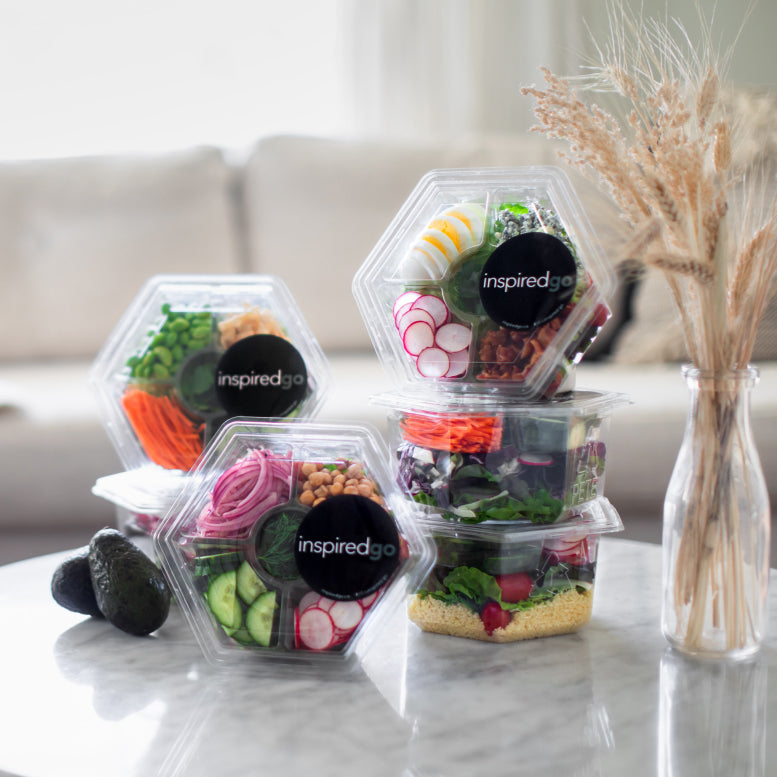
Inspired Go’s pre-portioned vegetarian meals are designed to simplify balanced eating by offering consistent portion sizes and nutritional transparency. Each meal is crafted with optimal ratios of proteins, carbohydrates, and healthy fats, ensuring customers receive balanced nutrition in every serving. Portion control prevents overeating and reduces food waste, making it easier to maintain dietary goals. Subscription models provide regular deliveries, ensuring customers have continuous access to ready-to-eat, nutrient-dense vegetarian meals. With detailed calorie and macronutrient labeling, customers can monitor their intake accurately. Inspired Go combines precision, balance, and convenience in every meal, supporting sustainable and health-focused dietary habits.
Try our fresh, ready-to-eat salads →
Frequently Asked Questions
Eating healthy without cooking is achievable by incorporating ready-to-eat nutritious options into your diet. Pre-prepared salads, fresh fruit, nuts, yogurt, and meal delivery services offering balanced meals are excellent choices. Look for meals high in fiber, protein, and healthy fats while minimizing processed ingredients. This approach ensures you maintain a nutritious diet even with a busy lifestyle or lack of cooking time.
Eating healthy on a budget involves planning meals around affordable, nutrient-dense ingredients. Prioritize staples like whole grains, beans, and seasonal vegetables, which are both inexpensive and nutritious. Opt for meal prep services or delivery plans that offer cost-effective options for healthy eating. Buying in bulk, reducing waste, and preparing meals at home also significantly reduce costs while maintaining balanced nutrition.
A healthy diet is one that emphasizes whole, unprocessed foods like fruits, vegetables, lean proteins, whole grains, and healthy fats. It provides the necessary nutrients for energy, growth, and disease prevention while limiting added sugars, saturated fats, and highly processed foods. A balanced diet supports physical and mental well-being and can be tailored to meet individual nutritional needs.
To eat more healthily, focus on gradually incorporating whole foods into your meals. Start by adding more vegetables to your plate, swapping refined grains for whole grains, and opting for lean protein sources like fish or legumes. Stay hydrated and avoid sugary beverages. Small, consistent changes can lead to long-term improvements in dietary habits without feeling restrictive.
Eating healthy is essential for maintaining overall health and well-being. A balanced diet reduces the risk of chronic diseases such as diabetes, heart disease, and obesity while supporting energy levels, mental clarity, and immune function. Consuming nutrient-dense foods provides your body with the vitamins and minerals it needs to function optimally, contributing to a longer, healthier life.