
Are There Vegetarian Low Carb Meals?
Table of Contents
1. Plant-Based Low Carb Options at Inspired Go
2. How Can Low Carb Meals Help With Bloating and Digestion?
3. How Can You Build a Low Carb Meal That Still Feels Filling?
4. What Makes Inspired Go’s Low Carb Salad Bowls the Best?
1. Plant-Based Low Carb Options at Inspired Go
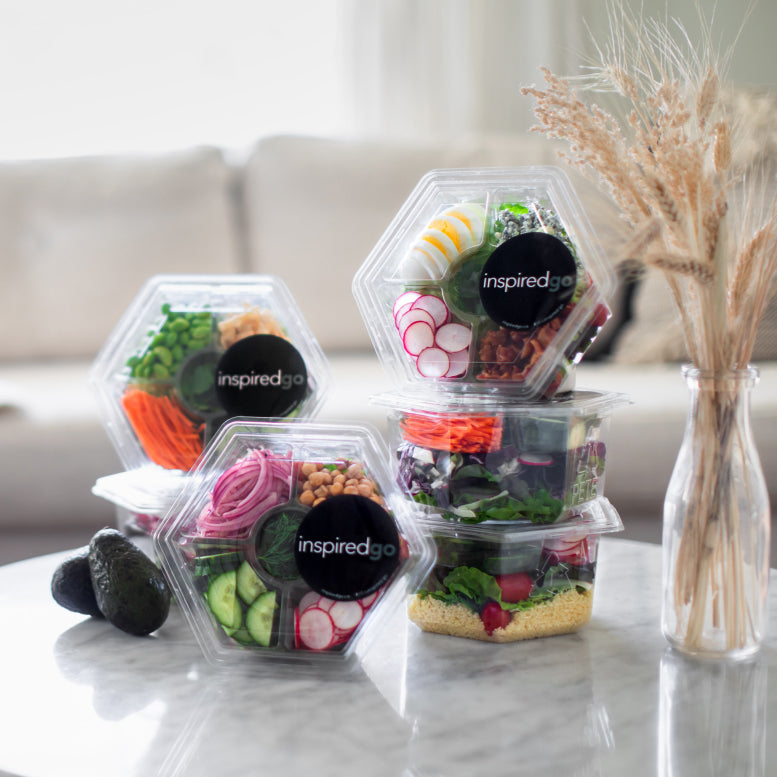
Inspired Go is dedicated to catering to a variety of dietary preferences and needs. This includes offering an assortment of plant-based, low carbohydrate meals that don't compromise on taste or nutrition. Our menu features a selection of salads, bowls and dinner options that are not only vegetarian, but also low in carbs, high in protein and packed with essential nutrients. Meals such as our Classic Fattoush Salad or Roasted Fall Bowl are just a couple of examples of our vegetarian low carb offerings. By sourcing fresh, local ingredients and creating chef-inspired recipes, we ensure that our meals are as nutritious as they are delicious. With our convenient delivery service, maintaining a balanced, plant-based, low-carb diet has never been easier or more enjoyable.
Order fresh salads today →

2. How Can Low Carb Meals Help With Bloating and Digestion?
Digestive discomfort is often linked to highly processed meals or overconsumption of refined carbs, which can cause bloating, irregularity, and sluggish digestion. Low carb meals that emphasize whole vegetables, light proteins, and healthy fats can provide relief by reducing fermentation in the gut and improving nutrient absorption. Ingredients like leafy greens, cucumber, zucchini, and nuts offer natural fiber without the heaviness of starchy carbs. These foods also help balance gut bacteria and reduce inflammation, which can make a visible difference in how you feel day to day. When eaten consistently, this type of meal structure helps regulate digestion and ease stomach pressure. Over time, these food choices create a foundation for a calmer digestive system and more predictable energy.
Choose your salads and schedule delivery →
3. How Can You Build a Low Carb Meal That Still Feels Filling?
The secret to a successful low carb meal isn’t just cutting carbs, it’s creating a sense of fullness and satisfaction through balanced nutrients and texture. A fiber-rich base of greens paired with proteins like tofu, eggs, or seeds keeps you satiated without relying on starch. Healthy fats such as avocado or olive oil add depth and flavor while helping your body absorb fat-soluble vitamins. Adding roasted vegetables and crunch from nuts or seeds gives each bite substance, turning a simple salad into a complete meal. These ingredients don’t just keep hunger at bay, they also fuel stable energy and support digestion throughout the day. A well-constructed low carb bowl should feel satisfying, flavorful, and energizing, proof that eating lighter can still feel deeply nourishing.
Get fresh salads and snacks delivered →
4. What Makes Inspired Go’s Low Carb Salad Bowls the Best?
At Inspired Go, we’ve reimagined low carb eating with bowls and salads that combine nutrition, convenience, and culinary creativity. Each meal is chef-designed to offer clean, balanced energy through a blend of leafy greens, proteins, and plant-based fats that keep you feeling light but satisfied. We avoid added sugars and processed fillers, instead focusing on whole ingredients that bring natural flavor and texture. Whether you’re managing your macros, supporting fitness goals, or just aiming for a more balanced diet, our low carb menu makes it effortless. Every dish arrives fresh, portioned, and ready to eat, no prep required. With Inspired Go, you can enjoy food that’s as nourishing as it is delicious, helping you feel your best meal after meal.
Try our fresh, ready-to-eat salads →
Frequently Asked Questions
A vegetarian diet focuses on plant-based foods, eliminating meat, poultry, and fish while including fruits, vegetables, grains, legumes, nuts, and seeds. Depending on the type of vegetarianism, it may also include animal-derived products like dairy and eggs. Popular variations include lacto-ovo vegetarian (includes eggs and dairy) and lacto-vegetarian (excludes eggs but includes dairy). The diet is often chosen for ethical, environmental, or health reasons and supports a nutrient-dense lifestyle when properly balanced.
Vegetarian foods include a wide variety of plant-based options like fruits, vegetables, whole grains, legumes, nuts, and seeds. Dairy products such as milk, cheese, and yogurt, as well as eggs, are included in lacto-ovo vegetarian diets. Vegetarian-friendly dishes range from hearty grain bowls and vegetable curries to pasta, soups, and salads. Many processed foods, such as chips or baked goods, can also be vegetarian, though reading labels is key to avoiding hidden animal-based ingredients.
Yes, many vegetarians eat eggs, depending on their dietary preference. Those following a lacto-ovo vegetarian diet include both eggs and dairy products, while lacto-vegetarians exclude eggs but consume dairy. Eggs are an excellent source of protein, vitamins, and minerals, making them a valuable addition to a vegetarian diet. However, vegans avoid eggs entirely, as their diet excludes all animal-derived products, including dairy and honey.
Vegetarians can meet their protein needs by incorporating a variety of plant-based and animal-free sources. Protein-rich options include legumes (lentils, chickpeas, black beans), tofu, tempeh, nuts, seeds, and whole grains like quinoa. For those who consume dairy and eggs, options like Greek yogurt, cheese, and eggs provide additional high-quality protein. Combining different plant proteins, such as rice and beans, ensures a complete amino acid profile, supporting muscle repair and overall health.
Yes, eggs and cheese are allowed on a lacto-ovo vegetarian diet, which includes both dairy products and eggs alongside plant-based foods. These ingredients are excellent sources of protein, calcium, and other essential nutrients. Lacto-vegetarians exclude eggs but include cheese and other dairy products. Vegans, however, do not consume eggs, cheese, or any other animal-derived products, focusing solely on plant-based foods and alternatives.