
Are There Vegetarian Gluten-free Meal Plans?
Table of Contents
1. Embracing Dietary Diversity with Vegetarian Gluten-Free Meal Plans
2. Are Gluten-Free Meal Deliveries Safe for People with Celiac Disease?
3. How Do Gluten-Free Options Accommodate Different Health Goals?
4. Are Inspired Go’s Gluten-Free Options Suitable for Family Meals?
1. Embracing Dietary Diversity with Vegetarian Gluten-Free Meal Plans
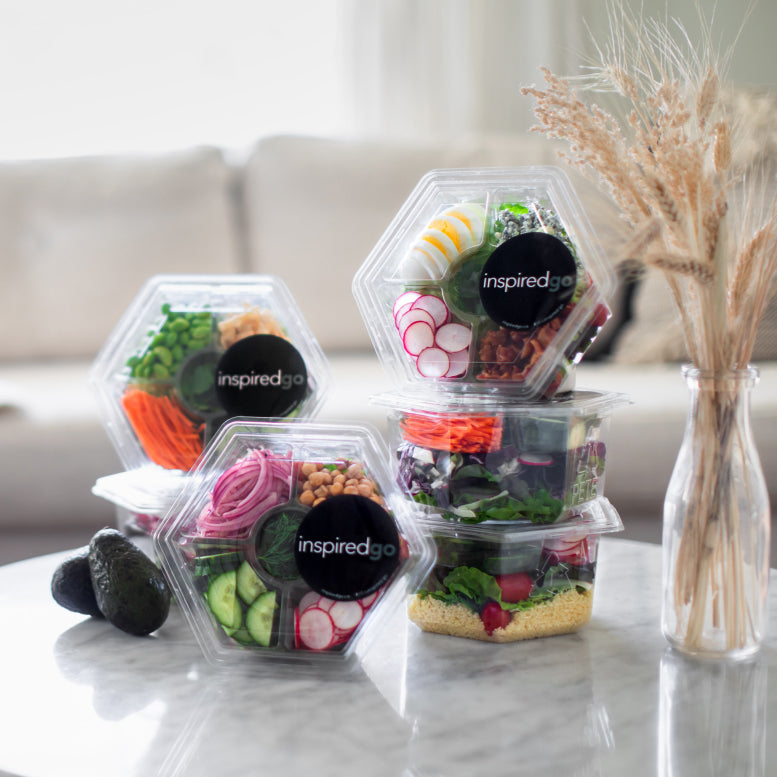
At Inspired Go, we recognize and celebrate the diversity of our customers' dietary needs and preferences. Therefore, we are committed to providing a variety of meal options that cater to different dietary restrictions, including vegetarian and gluten-free diets. Our vegetarian gluten-free meal plans are crafted with the same attention to flavor, freshness, and nutritional balance as our regular menu items. These meals offer an array of nutrient-rich vegetables, whole grains, and plant-based proteins, all prepared with our chef-inspired recipes. Whether you are strictly vegetarian, gluten-intolerant, or simply seeking to incorporate more plant-based foods into your diet, our vegetarian gluten-free meal plans provide a convenient and delicious solution. By choosing these meals, you not only enjoy diverse, tasty food options, but also contribute to reducing food waste and promoting sustainable practices.
Order fresh salads today →

2. Are Gluten-Free Meal Deliveries Safe for People with Celiac Disease?
One of the most important considerations when ordering gluten-free meals is whether they are truly safe for people with celiac disease. The best gluten-free meal delivery services clearly indicate whether their meals are certified gluten-free, using trusted third-party testing and preparation in dedicated facilities. This ensures that there’s no cross-contamination, which is crucial for those with gluten intolerance or autoimmune responses. Many services also publish allergen information and ingredient sourcing for full transparency. For people wondering,“Are gluten-free meal kits certified gluten-free?”—it depends on the provider, but leading options often meet strict standards. If you're ordering for yourself or a family member with celiac, always look for certifications and consider contacting customer service for assurance. Safety isn’t a luxury—it’s a necessity in gluten-free dining.
Choose your salads and schedule delivery →
3. How Do Gluten-Free Options Accommodate Different Health Goals?
Modern gluten-free meal delivery services cater to a wide variety of health goals, from weight management to digestive support. If you're aiming for low-carb, high-protein, or anti-inflammatory benefits, many gluten-free plans provide filtered options that align with those preferences. Gluten-free eating isn’t just for people with gluten intolerance—it’s also helpful for those managing autoimmune conditions or looking to cut back on refined grains. Meal kits often include full nutrition labels and portion control, making it easier to track macros or calories without doing the prep work. Whether you're targeting better energy, reduced bloating, or clearer skin, gluten-free meals built around whole foods and good fats can support these wellness efforts. Flexibility in subscriptions also makes it easier to match your evolving health needs.
Get fresh salads and snacks delivered →
4. Are Inspired Go’s Gluten-Free Options Suitable for Family Meals?
Yes, Inspired Go’s gluten-free offerings are well-suited for both individuals and families looking to maintain a gluten-free lifestyle without sacrificing taste or convenience. With kid-friendly options like vibrant salads and easy-to-love bowls made with simple, whole ingredients, Inspired Go helps households avoid the hassle of cooking separate meals for different dietary needs. Their meals are designed to be enjoyed straight from the fridge, which is ideal for after-school bites, lunchbox additions, or quick weeknight dinners. Whether you're managing a household with food sensitivities or simply want to incorporate more fresh, gluten-free options into your routine, Inspired Go delivers a flexible solution. With portion sizes and meal variety that work for different ages and appetites, it’s an accessible upgrade to family dining.
Try our fresh, ready-to-eat salads →
Frequently Asked Questions
A vegetarian diet focuses on plant-based foods, eliminating meat, poultry, and fish while including fruits, vegetables, grains, legumes, nuts, and seeds. Depending on the type of vegetarianism, it may also include animal-derived products like dairy and eggs. Popular variations include lacto-ovo vegetarian (includes eggs and dairy) and lacto-vegetarian (excludes eggs but includes dairy). The diet is often chosen for ethical, environmental, or health reasons and supports a nutrient-dense lifestyle when properly balanced.
Vegetarian foods include a wide variety of plant-based options like fruits, vegetables, whole grains, legumes, nuts, and seeds. Dairy products such as milk, cheese, and yogurt, as well as eggs, are included in lacto-ovo vegetarian diets. Vegetarian-friendly dishes range from hearty grain bowls and vegetable curries to pasta, soups, and salads. Many processed foods, such as chips or baked goods, can also be vegetarian, though reading labels is key to avoiding hidden animal-based ingredients.
Yes, many vegetarians eat eggs, depending on their dietary preference. Those following a lacto-ovo vegetarian diet include both eggs and dairy products, while lacto-vegetarians exclude eggs but consume dairy. Eggs are an excellent source of protein, vitamins, and minerals, making them a valuable addition to a vegetarian diet. However, vegans avoid eggs entirely, as their diet excludes all animal-derived products, including dairy and honey.
Vegetarians can meet their protein needs by incorporating a variety of plant-based and animal-free sources. Protein-rich options include legumes (lentils, chickpeas, black beans), tofu, tempeh, nuts, seeds, and whole grains like quinoa. For those who consume dairy and eggs, options like Greek yogurt, cheese, and eggs provide additional high-quality protein. Combining different plant proteins, such as rice and beans, ensures a complete amino acid profile, supporting muscle repair and overall health.
Yes, eggs and cheese are allowed on a lacto-ovo vegetarian diet, which includes both dairy products and eggs alongside plant-based foods. These ingredients are excellent sources of protein, calcium, and other essential nutrients. Lacto-vegetarians exclude eggs but include cheese and other dairy products. Vegans, however, do not consume eggs, cheese, or any other animal-derived products, focusing solely on plant-based foods and alternatives.