
Are Salad Bowls Good Low Carb Meals?
Table of Contents
1. The Nutritional Value of Salad Bowls for Low Carb Diets
2. How Can Low Carb Meals Help With Bloating and Digestion?
3. Can Low Carb Meals Actually Be Enjoyable and Easy to Stick With?
4. What Makes Inspired Go’s Low Carb Salad Bowls the Best?
1. The Nutritional Value of Salad Bowls for Low Carb Diets
When it comes to maintaining a low-carb diet, salad bowls can be an incredibly beneficial meal option. These dishes offer a variety of nutrients, fiber, and proteins while keeping the carbohydrate content at a minimum. Predominantly consisting of fresh vegetables, lean proteins, and healthy fats, salad bowls can be tailored to meet specific dietary needs and preferences. The versatility of salad bowls allows for the inclusion of a varied array of ingredients, ranging from leafy greens and cruciferous vegetables to choice proteins like chicken, fish, or tofu. Ingredients like these are low in carbs, yet high in essential nutrients, making salad bowls an excellent choice for those following a low-carb diet. Additionally, by opting for low-carb dressings or sauces, you can ensure your salad bowl aligns perfectly with your dietary goals.
Order fresh salads today →

2. How Can Low Carb Meals Help With Bloating and Digestion?
Digestive discomfort is often linked to highly processed meals or overconsumption of refined carbs, which can cause bloating, irregularity, and sluggish digestion. Low carb meals that emphasize whole vegetables, light proteins, and healthy fats can provide relief by reducing fermentation in the gut and improving nutrient absorption. Ingredients like leafy greens, cucumber, zucchini, and nuts offer natural fiber without the heaviness of starchy carbs. These foods also help balance gut bacteria and reduce inflammation, which can make a visible difference in how you feel day to day. When eaten consistently, this type of meal structure helps regulate digestion and ease stomach pressure. Over time, these food choices create a foundation for a calmer digestive system and more predictable energy.
Choose your salads and schedule delivery →
3. Can Low Carb Meals Actually Be Enjoyable and Easy to Stick With?
Modern low carb meals are designed for variety, flavor, and convenience. With fresh ingredients, global flavors, and customizable components, they make healthy eating more approachable than ever. The key is to focus on nutrient density: vegetables, nuts, seeds, and flavorful dressings that make every bite satisfying. This way, you can maintain a low carb routine without monotony or constant cravings. Ready-made options and smart meal delivery services have made low carb living simpler and more flexible for real life. Whether you’re eating at your desk, post-workout, or on the road, balanced low carb meals provide a consistent way to nourish yourself without stress. Eating well becomes not just a plan, but an easy daily habit you actually enjoy.
Get fresh salads and snacks delivered →
4. What Makes Inspired Go’s Low Carb Salad Bowls the Best?
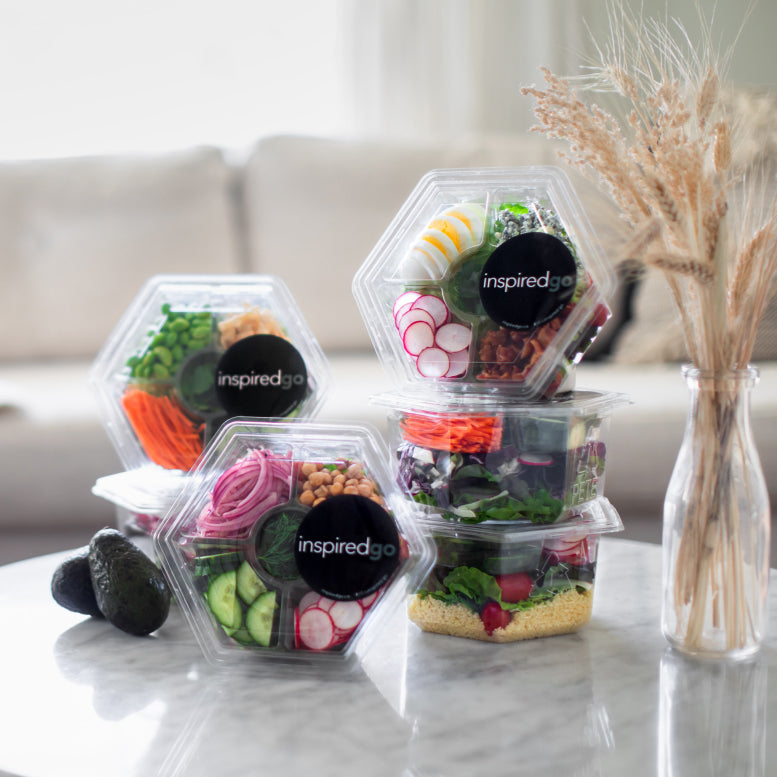
At Inspired Go, we’ve reimagined low carb eating with bowls and salads that combine nutrition, convenience, and culinary creativity. Each meal is chef-designed to offer clean, balanced energy through a blend of leafy greens, proteins, and plant-based fats that keep you feeling light but satisfied. We avoid added sugars and processed fillers, instead focusing on whole ingredients that bring natural flavor and texture. Whether you’re managing your macros, supporting fitness goals, or just aiming for a more balanced diet, our low carb menu makes it effortless. Every dish arrives fresh, portioned, and ready to eat, no prep required. With Inspired Go, you can enjoy food that’s as nourishing as it is delicious, helping you feel your best meal after meal.
Try our fresh, ready-to-eat salads →
Frequently Asked Questions
The most nutritious salad greens are dark leafy varieties like spinach, kale, and arugula. These greens are packed with essential vitamins, including A, C, and K, as well as minerals like calcium and iron. Kale is particularly rich in antioxidants, while spinach offers significant amounts of folate and magnesium. Choosing a mix of dark greens enhances both the flavor and nutritional value of your salad.
A healthy salad includes a balance of nutrient-dense ingredients like leafy greens, fresh vegetables, lean proteins, and healthy fats. For example, a base of spinach and kale, paired with grilled chicken, cherry tomatoes, avocado, and a light olive oil dressing, creates a wholesome meal. Avoid fried toppings or sugary dressings, as they add empty calories, and opt for natural ingredients to maximize nutrition.
Yes, eating salad daily is a healthy habit when it includes a variety of fresh, nutrient-rich ingredients. Salads offer fiber for digestion, antioxidants for immunity, and essential nutrients like potassium and folate. Regularly eating salads can support weight management and improve energy levels. To avoid monotony, vary your greens, proteins, and toppings to keep meals satisfying and nutritionally balanced.
Healthy salad dressings are typically made with simple, natural ingredients. Olive oil-based dressings, paired with balsamic vinegar or fresh lemon juice, provide healthy fats and enhance flavor without unnecessary calories. Avoid store-bought dressings with high sugar or preservatives. For a creamy alternative, opt for homemade dressings using Greek yogurt or avocado for added nutritional benefits.
Yes, salads are incredibly beneficial for overall health when prepared with fresh, whole ingredients. They are low in calories and high in vitamins, minerals, and antioxidants, supporting heart health, digestion, and immunity. Adding a mix of proteins and healthy fats creates a satisfying, nutrient-dense meal. Regularly incorporating salads into your diet can promote long-term well-being and energy.