
Are Low Calorie Meals Good For Dieting?
Table of Contents
1. The Impact of Low-Calorie Meals on Dieting
2. What Are the Benefits of Eating Low-Calorie Meals?
3. How Do Delivery Services Keep Low-Calorie Meals Fresh?
4. How Does Inspired Go Make Low-Calorie Eating Easy?
1. The Impact of Low-Calorie Meals on Dieting
When it comes to dieting and weight management, the consideration of low-calorie meals is often a critical component. These meals, which are typically rich in fruits, vegetables, lean proteins, and whole grains, can assist individuals in achieving their weight loss or maintenance goals. By reducing the calorie intake, yet still providing essential nutrients, low-calorie meals can promote a feeling of fullness and prevent overeating. Additionally, they can contribute to a balanced diet, which is crucial for overall health and well-being. Importantly, these meals should be part of a well-rounded approach to dieting that includes regular physical activity and mindful eating practices. With the convenience of meal delivery services, access to nutritious, low-calorie meals has never been easier.
Order fresh salads today →

2. What Are the Benefits of Eating Low-Calorie Meals?
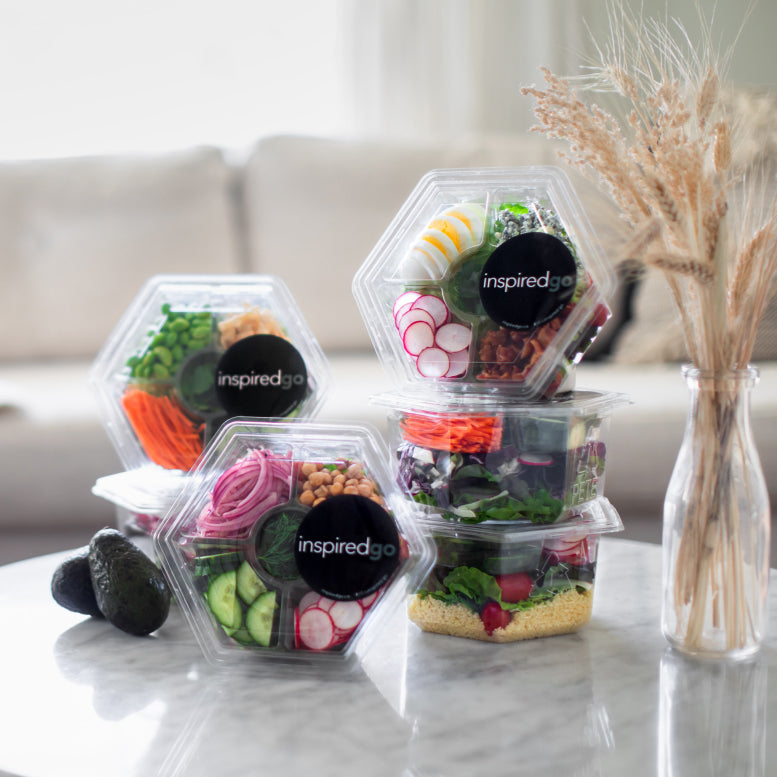
Low-calorie meals support weight loss and weight maintenance by creating a manageable calorie deficit without nutrient deprivation. Salads play a major role in this approach, providing a high volume of food for fewer calories while delivering vitamins, fiber, and antioxidants that boost overall health. A diet lower in excess fats and sugars can also improve cardiovascular health, lower blood pressure, and reduce the risk of chronic diseases over time. Beyond physical benefits, consuming low-calorie, nutrient-dense salads can improve mood and mental focus by avoiding the sluggishness that follows heavy, high-calorie meals. Low-calorie meal delivery services ensure that every dish is portion-controlled, making it easier to avoid overeating or relying on guesswork when tracking calories.
Choose your salads and schedule delivery →
3. How Do Delivery Services Keep Low-Calorie Meals Fresh?
Freshness is key to both taste and nutrition, and salad delivery services prioritize it from sourcing to packaging. Ingredients are selected for their quality and are often locally sourced to ensure minimal time from farm to kitchen. Salads are prepared in controlled environments, washed, and chopped just before being packed to lock in flavor and nutrients. Temperature-controlled packaging keeps greens crisp, proteins tender, and dressings fresh until you’re ready to eat. This process avoids the need for preservatives while ensuring food safety during transit. Detailed labeling with “best by” dates and storage instructions makes it easy for customers to enjoy salads at their peak. With these measures in place, every low-calorie meal arrives as fresh and vibrant as if it were made just moments before delivery.
Get fresh salads and snacks delivered →
4. How Does Inspired Go Make Low-Calorie Eating Easy?
At Inspired Go, we believe healthy eating shouldn’t feel complicated or bland. Our low-calorie salads are crafted by expert chefs and dietitians to provide the perfect balance of flavor, texture, and nutrients while staying within your calorie goals. Each dish combines crisp greens, colorful vegetables, lean proteins, and wholesome grains in thoughtfully portioned servings. We make calorie tracking effortless by providing transparent nutritional information on every salad. Delivered fresh to your home or office, our salads remove the stress of grocery shopping, prepping, and cooking. Whether you’re looking to manage weight or simply eat lighter, Inspired Go makes low-calorie eating fresh, delicious, and completely hassle-free.
Try our fresh, ready-to-eat salads →
Frequently Asked Questions
The keto diet can be healthy for some individuals, but its effectiveness and safety depend on personal health goals and conditions. It emphasizes low-carb, high-fat foods to encourage the body to burn fat for energy. While it may promote weight loss and improve blood sugar control, it can also lead to nutrient deficiencies if not balanced properly. Consulting a healthcare professional before starting the keto diet is highly recommended.
Starting a healthy diet involves gradually introducing nutrient-rich foods while reducing processed and sugary options. Focus on whole foods like fruits, vegetables, lean proteins, whole grains, and healthy fats. Meal planning can simplify your efforts and help create balanced portions. Additionally, stay hydrated and avoid extreme restrictions. Beginning with small, sustainable changes allows you to build habits that support long-term health.
A low-carb diet can be healthy when balanced with nutrient-dense foods. Reducing carbohydrates and focusing on proteins, healthy fats, and vegetables can improve blood sugar control and promote weight loss. However, cutting carbs too drastically can lead to fatigue, nutrient deficiencies, or digestive issues. For a sustainable low-carb diet, incorporate a variety of nutrient-rich foods and avoid overly restrictive practices.
A healthy diet is balanced and includes a variety of nutrient-dense foods from all major food groups. It prioritizes fruits, vegetables, whole grains, lean proteins, and healthy fats, while limiting processed foods, added sugars, and excessive sodium. Portion control and proper hydration are key components. A healthy diet not only supports physical health but also boosts energy levels, mental clarity, and overall well-being.
The Mediterranean diet is often regarded as one of the healthiest. It focuses on plant-based foods, such as fruits, vegetables, whole grains, nuts, and seeds, alongside healthy fats like olive oil. Moderate amounts of fish, poultry, and dairy are included, while red meat is limited. Known for reducing the risk of heart disease and improving longevity, it offers a well-rounded approach to healthy eating.