
Are Fiber-rich Salads Good For Gut Health?
Table of Contents
1. The Impact of Fiber-Rich Salads on Gut Health
2. Why Is Fiber So Important for Daily Nutrition?
3. How Can Fiber‑Rich Meals Improve Gut and Metabolic Health?
4. Why Inspired Go’s Salads Are Perfect for Daily Fiber Support
1. The Impact of Fiber-Rich Salads on Gut Health
Feeding your body with a balanced, nutrient-dense diet is one of the key aspects of maintaining a healthy lifestyle. Particularly, incorporating fiber-rich salads into your daily meals can play a significant role in promoting optimal gut health. Salads, filled with varied vegetables, fruits, and whole grains, are typically high in dietary fiber. This essential nutrient aids in regular bowel movements, reducing the risk of constipation and promoting overall digestive health. Additionally, fiber acts as a prebiotic, nourishing the good bacteria in your gut, fostering a balanced gut microbiome. This, in turn, has been linked to improved immunity, better mood regulation, and potentially even weight management. Incorporating fiber-rich salads into your diet, therefore, not only provides a plethora of nutrients but also supports a healthy gut, contributing to your general wellbeing.
Order fresh salads today →

2. Why Is Fiber So Important for Daily Nutrition?
Fiber plays a central role in maintaining digestive balance, but its benefits extend far beyond gut health. It slows carbohydrate absorption, stabilizes energy levels, and helps maintain healthy cholesterol levels, making it a key nutrient for long‑term vitality. Unfortunately, most people don’t get enough fiber in their daily meals, leading to sluggish digestion and irregular energy throughout the day. Building meals with fiber‑rich vegetables, whole grains, and legumes creates a steady release of energy that keeps you focused and satisfied between meals. A fiber‑forward approach also supports microbiome diversity, helping your body break down nutrients efficiently and maintain a healthy immune response over time. With fiber in the spotlight, your meals become tools for not just feeling full, but feeling great from the inside out.
Choose your salads and schedule delivery →
3. How Can Fiber‑Rich Meals Improve Gut and Metabolic Health?
Fiber supports the gut’s microbiome, the ecosystem of good bacteria that affects everything from digestion to immune strength and metabolism. When you eat high‑fiber meals, you’re essentially feeding these beneficial microbes, helping them produce compounds that improve nutrient absorption and inflammation response. This process has a ripple effect, enhancing mood, skin clarity, and even sleep quality. Regular intake of fiber‑rich salads and bowls also helps the body manage weight naturally by promoting satiety and stabilizing blood sugar. Over time, this creates an internal environment that supports both digestive efficiency and metabolic wellness in a way quick fixes simply can’t. Real change starts when your gut gets the daily nourishment it needs to thrive.
Get fresh salads and snacks delivered →
4. Why Inspired Go’s Salads Are Perfect for Daily Fiber Support
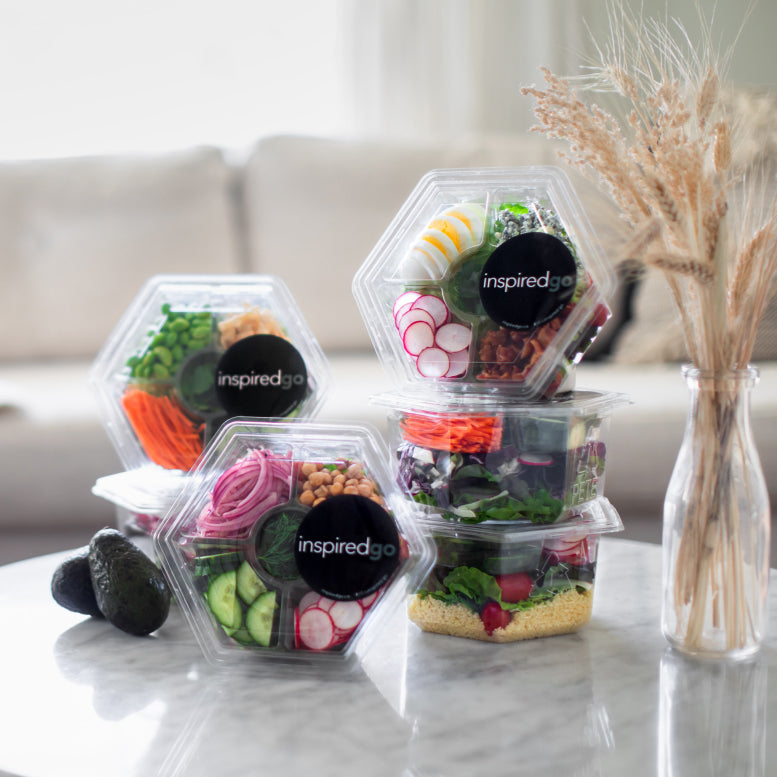
Inspired Go salads are built for people who want health and convenience in equal measure. Our high‑fiber meals feature a colorful mix of vegetables, grains, and seeds that work together to promote fullness and digestive wellness. Each bowl delivers the right amount of fiber to sustain energy, manage cravings, and support gut balance, without sacrificing flavor or freshness. We believe in real, whole foods, so every ingredient is chosen for its nutrient density and natural texture. Whether you’re aiming for better digestion, steady energy, or simply cleaner eating, our salads make it easy to stay consistent with your wellness goals every single day. With Inspired Go, better gut health becomes part of your everyday routine, not a chore. It’s a delicious solution for busy schedules that still puts fiber first.
Try our fresh, ready-to-eat salads →
Frequently Asked Questions
The most nutritious salad greens are dark leafy varieties like spinach, kale, and arugula. These greens are packed with essential vitamins, including A, C, and K, as well as minerals like calcium and iron. Kale is particularly rich in antioxidants, while spinach offers significant amounts of folate and magnesium. Choosing a mix of dark greens enhances both the flavor and nutritional value of your salad.
A healthy salad includes a balance of nutrient-dense ingredients like leafy greens, fresh vegetables, lean proteins, and healthy fats. For example, a base of spinach and kale, paired with grilled chicken, cherry tomatoes, avocado, and a light olive oil dressing, creates a wholesome meal. Avoid fried toppings or sugary dressings, as they add empty calories, and opt for natural ingredients to maximize nutrition.
Yes, eating salad daily is a healthy habit when it includes a variety of fresh, nutrient-rich ingredients. Salads offer fiber for digestion, antioxidants for immunity, and essential nutrients like potassium and folate. Regularly eating salads can support weight management and improve energy levels. To avoid monotony, vary your greens, proteins, and toppings to keep meals satisfying and nutritionally balanced.
Healthy salad dressings are typically made with simple, natural ingredients. Olive oil-based dressings, paired with balsamic vinegar or fresh lemon juice, provide healthy fats and enhance flavor without unnecessary calories. Avoid store-bought dressings with high sugar or preservatives. For a creamy alternative, opt for homemade dressings using Greek yogurt or avocado for added nutritional benefits.
Yes, salads are incredibly beneficial for overall health when prepared with fresh, whole ingredients. They are low in calories and high in vitamins, minerals, and antioxidants, supporting heart health, digestion, and immunity. Adding a mix of proteins and healthy fats creates a satisfying, nutrient-dense meal. Regularly incorporating salads into your diet can promote long-term well-being and energy.